

Christmas Cactus vs. Thanksgiving Cactus vs. Easter Cactus


Holiday cacti are often mistaken for one another, but their differences go beyond their festive names. Christmas cactus, Thanksgiving cactus, and Easter cactus each have distinct flowering times, stem structures, and care requirements that set them apart. Understanding these key traits ensures proper care and encourages healthy blooms year after year. Whether gifted during the holidays or grown as a long-term houseplant, these vibrant succulents bring color and charm to any indoor space.
What Are Holiday Cacti?
Holiday cacti are a group of winter and spring-blooming succulents known for their vibrant flowers and segmented stems. Unlike desert cacti, these plants thrive in humid environments and require different care to maintain their health. The three most well-known types—Christmas cactus (Schlumbergera bridgesii), Thanksgiving cactus (Schlumbergera truncata), and Easter cactus (Rhipsalidopsis gaertneri)—are often confused due to their similar appearance. However, each has unique characteristics that distinguish them from one another.
These cacti originate from the rainforests of Brazil, where they grow as epiphytes, meaning they attach to trees or rocks rather than growing in the ground. Their natural habitat provides insight into their preferred care conditions, which include bright, indirect light and well-draining soil. While they are often given as holiday gifts, understanding their individual traits ensures proper care and a long lifespan.
Each holiday cactus blooms during a specific season, making it easier to identify when it flowers. Additionally, the shape of their stems and flower structure further differentiate them. Recognizing these details helps plant owners provide the best environment for their cacti to thrive and bloom reliably each year.
Key Differences Between Christmas, Thanksgiving, and Easter Cacti

The main difference between Christmas cactus, Thanksgiving cactus, and Easter cactus is their bloom time and stem shape. Each variety flowers during a specific holiday season, with unique petal arrangements and segmented stems that set them apart.
Blooming Periods and Growth Habits
Christmas cactus (Schlumbergera bridgesii) typically blooms in late December, producing tubular flowers with slightly curved petals. Its stems have rounded edges, giving them a softer appearance. Thanksgiving cactus (Schlumbergera truncata) flowers earlier, often in November, with more pointed petals and pronounced stem segments featuring claw-like projections. Easter cactus (Rhipsalidopsis gaertneri) blooms in spring, usually between March and May, displaying star-shaped flowers with broader, flatter petals. Its stems have smoother, more rounded edges compared to the other two types.
Stem Shape and Structure
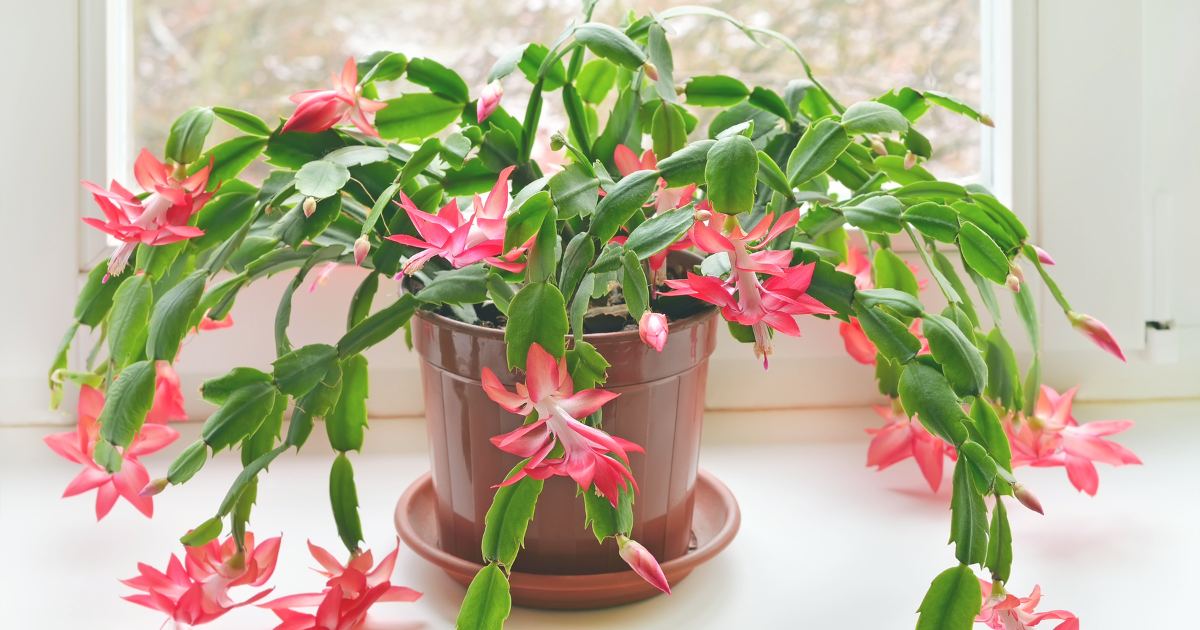
The shape and texture of each holiday cactus’s stem segments play a key role in identification. Unlike the thick, spiny stems found on desert cacti, these plants have flattened, jointed segments known as cladodes. These segments store water and assist in photosynthesis, allowing the plants to adapt to their rainforest origins.
Christmas cactus (Schlumbergera bridgesii) has smooth, scalloped stem segments with rounded edges. The segments appear soft and slightly flattened, giving the plant a cascading growth habit. The joints between segments are flexible, which allows the plant to drape gracefully over the edges of pots or hanging containers.
Thanksgiving cactus (Schlumbergera truncata) features sharply pointed stem segments that resemble a crab’s claw. The edges have distinct notches with small, hooked points that give the plant a more rigid and structured appearance. Compared to the Christmas cactus, its segments are thicker and more angular, causing the plant to grow upright before arching outward as it matures.
Easter cactus (Rhipsalidopsis gaertneri) has elongated, oval-shaped segments with fine bristles at the joints. The edges are smoother than those of a Thanksgiving cactus but less rounded than a Christmas cactus. The bristles, called areoles, are a defining feature, distinguishing it from the other two types. Easter cactus stems also tend to be slightly thicker and more rigid, allowing them to hold their shape with less drooping.
These structural differences influence how each type of cactus grows and interacts with its environment. Thanksgiving cactus, with its more upright growth, often appears bushier, while the softer structure of Christmas cactus allows for a trailing effect. Easter cactus, with its thicker stems, maintains a balance between the two, offering a structured yet slightly arching growth pattern.
Recognizing the differences between Christmas cactus, Thanksgiving cactus, and Easter cactus goes beyond their bloom time and stem shape. The flowers, growth habits, and even the way they respond to seasonal light changes can serve as clues to proper identification.
Flower Shape and Petal Arrangement
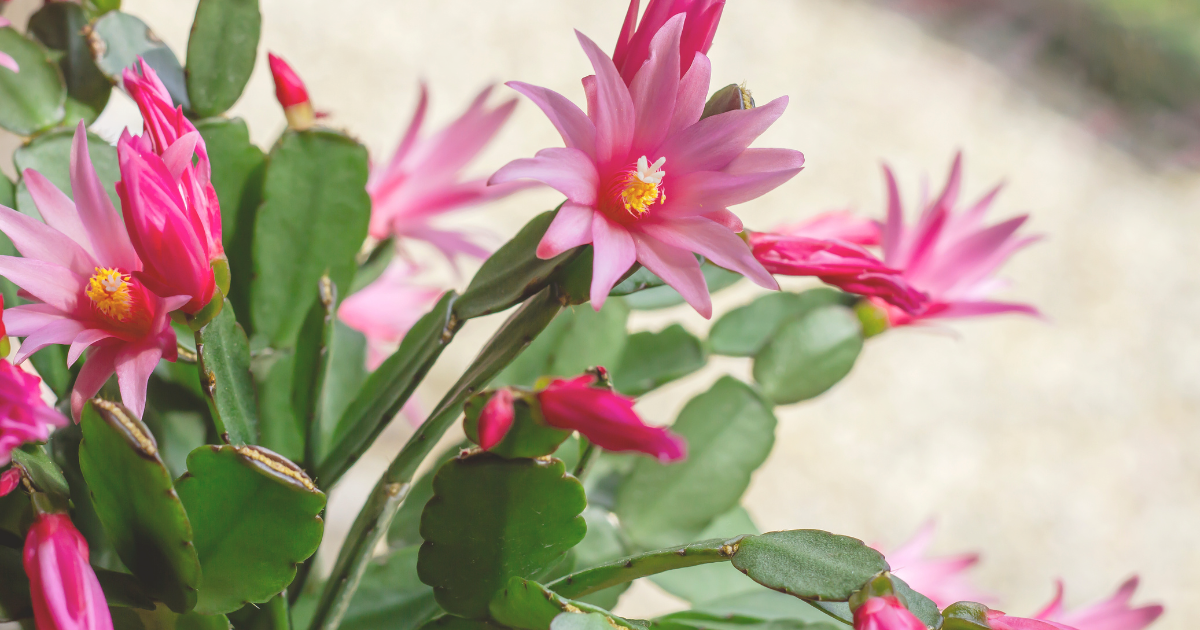
Each holiday cactus has distinct flowers that help differentiate them:
Christmas cactus produces tubular flowers with petals that curve slightly backward. The flowers often appear layered, with a gentle, symmetrical arrangement. They extend horizontally from the stem segments, creating an elegant, cascading effect.
Thanksgiving cactus has flowers that also form a tubular shape but with more pronounced, pointed petals. These petals spread outward in a less uniform pattern, giving the blooms a slightly more dramatic appearance. The flowers emerge from the tips of the claw-like segments, often facing upward rather than cascading.
Easter cactus features star-shaped flowers with broader, flatter petals. Unlike the elongated blooms of the other two varieties, these flowers have a more open structure with a central burst of color. They appear at the ends of the stem segments but do not hang as dramatically as those of a Christmas cactus.
Growth Pattern and Overall Appearance

The way each cactus grows can provide additional hints for identification:
Christmas cactus tends to have a trailing or arching growth habit, with flexible stems that drape over pots and containers. This makes it a popular choice for hanging baskets.
Thanksgiving cactus starts with a more upright growth habit, with stiff stems that gradually arch outward as they lengthen. The pointed stem segments contribute to its structured look.
Easter cactus grows in a slightly more compact form, with segments that appear thicker and hold their shape well. The plant maintains a balanced structure, neither entirely trailing nor rigidly upright.
Response to Seasonal Light Changes
The way these cacti respond to seasonal light shifts also varies:
Christmas and Thanksgiving cacti require short days and long nights to trigger blooming. A period of uninterrupted darkness for at least 12-14 hours per day, starting in the fall, encourages bud formation.
Easter cactus also relies on shorter daylight hours, but it needs a more gradual transition from fall to spring conditions to bloom reliably. Unlike the other two, it requires a brief dormancy period in cooler temperatures before it begins flowering.
Identifying these differences ensures that each cactus receives the care it needs to bloom on time. Proper light exposure, watering schedules, and environmental adjustments all contribute to maintaining a healthy and vibrant plant.
Seasonal Blooming Guide

Holiday cacti are known for their seasonal blooms, each flowering around a specific time of year. Their bloom cycles are influenced by light exposure, temperature shifts, and natural dormancy periods. Adjusting these conditions ensures that each cactus produces vibrant flowers during its intended season.
Christmas cactus blooms in late November through December. It requires at least six weeks of short daylight hours and cooler temperatures to initiate bud formation. If placed in a room with bright artificial lighting at night, blooming may be delayed. Keeping the plant in a space with 12-14 hours of darkness each day helps maintain its winter flowering schedule.
Thanksgiving cactus blooms from late October to late November. It responds to a similar short-day cycle as the Christmas cactus but typically flowers a few weeks earlier. This cactus may produce buds as early as mid-October if temperatures drop slightly and daylight hours decrease.
Easter cactus blooms in early spring, between March and May. Unlike the other two, it requires a period of dormancy with cooler temperatures and reduced watering before initiating buds. As daylight hours gradually increase after winter, the plant begins forming its star-shaped flowers.
Each holiday cactus relies on a natural rhythm of light and temperature changes to bloom successfully. Keeping a consistent schedule and providing the right conditions encourages healthy bud development year after year.
Care Tips for Holiday Cacti

Keeping a Christmas cactus, Thanksgiving cactus, or Easter cactus healthy requires attention to lighting, watering, temperature, and soil conditions. These plants are not like desert cacti and need more humidity, indirect light, and well-draining soil to maintain strong growth and consistent blooming.
Light and Temperature Requirements
Holiday cacti prefer bright, indirect light and do best when placed near a north- or east-facing window. Too much direct sunlight can scorch their segments, causing them to turn reddish or yellow. If natural light is limited, grow lights can supplement their needs, but keeping them on for too long may interfere with blooming cycles.
Temperature plays a role in flowering and overall plant health. Keeping the cactus in a range of 65–75°F (18–24°C) during the day and slightly cooler at night encourages strong growth. A drop to 50–55°F (10–13°C) for several weeks can help trigger flower bud formation, especially for Christmas and Thanksgiving cacti.
Watering and Humidity
Unlike desert cacti, holiday cacti need consistent moisture but should never sit in standing water. Allow the top inch of soil to dry out between waterings. Overwatering leads to root rot, while letting the plant dry out completely can cause segments to shrivel. Using a pot with drainage holes prevents excess water from accumulating.
These cacti prefer higher humidity levels, especially during winter months when indoor air tends to be dry. Placing a tray of water with pebbles near the plant or using a humidifier helps maintain the right moisture balance.
Soil and Repotting
A light, well-draining soil mix supports healthy root development. A blend of potting soil, orchid bark, and perlite provides the right balance of moisture retention and aeration. Regular potting soil alone holds too much water, which increases the risk of root rot.
Repotting every 2–3 years prevents the roots from becoming crowded. The best time to repot is in spring after blooming has ended. Using a slightly larger pot with fresh soil ensures that the plant has enough space for continued growth.
Fertilizing and Bloom Maintenance
Applying a balanced, water-soluble fertilizer once a month during the growing season (spring to early fall) encourages strong segment growth. A phosphorus-rich fertilizer in early fall helps promote flower bud development. Reducing fertilization during winter prevents unnecessary stress on the plant.
Once flower buds appear, keeping the plant in a stable location prevents bud drop. Avoid moving the cactus too much, as changes in temperature, humidity, or light exposure can cause buds to fall before they fully open. Proper care throughout the year ensures reliable blooms and a long-lasting, healthy plant.
FAQs About Christmas Cactus vs. Thanksgiving Cactus vs. Easter Cactus
What is the difference between Christmas, Thanksgiving, and Easter cactus?
The difference between Christmas cactus, Thanksgiving cactus, and Easter cactus lies in their bloom time, stem shape, and flower structure. Christmas cactus has rounded segments and blooms in December, Thanksgiving cactus has claw-like pointed segments and flowers in November, and Easter cactus has oval-shaped segments with bristles and blooms in spring.
How do you make a Christmas cactus, Thanksgiving cactus, or Easter cactus bloom?
To encourage blooming, adjust light exposure and temperature based on the cactus type. Christmas and Thanksgiving cacti need at least 12-14 hours of darkness per day for six weeks, while Easter cactus requires a brief dormancy period with cooler temperatures before flowering in spring.
Why are the buds falling off my holiday cactus before blooming?
Bud drop in Christmas cactus, Thanksgiving cactus, and Easter cactus is often caused by sudden changes in light, temperature, or humidity. Keeping the plant in a stable location, avoiding overwatering, and ensuring it receives the right light conditions can help prevent bud loss.
What type of soil is best for a holiday cactus?
A well-draining soil mix is best for holiday cacti, combining potting soil with perlite and orchid bark. This prevents water retention, reduces the risk of root rot, and mimics the plant’s natural growing conditions in humid, tree-dwelling environments.
Can you propagate a Christmas cactus, Thanksgiving cactus, or Easter cactus?
Yes, propagation is simple through stem cuttings. Cut a healthy segment, allow it to dry for a day, and plant it in moist, well-draining soil. Within a few weeks, roots will form, and a new plant will begin to grow.
Fern's Leafy Learnings
Christmas cactus, Thanksgiving cactus, and Easter cactus are identified by their bloom time, flower shape, and stem structure. Christmas cactus blooms in December, Thanksgiving cactus in November, and Easter cactus in spring, each with distinct petal arrangements and segment shapes.
Stem shape plays a major role in distinguishing holiday cacti. Christmas cactus has smooth, scalloped segments, Thanksgiving cactus has sharp, pointed segments resembling claws, and Easter cactus has oval-shaped segments with fine bristles at the joints.
Lighting and temperature influence flowering. Christmas and Thanksgiving cacti require short-day conditions to bloom, while Easter cactus needs a cooler dormancy period before producing flowers in spring.
Proper watering and humidity are essential for healthy growth. Holiday cacti prefer slightly moist soil and should never sit in standing water. A humid environment helps prevent dehydration, especially in dry indoor air.
Fertilizing at the right time encourages strong blooms. A balanced fertilizer during the growing season and a phosphorus-rich blend in early fall help prepare the plant for flowering.
Deepen Your Roots with Flora
Your plant journey doesn’t stop at purchase – it’s only just begun. With Flora, immerse yourself in a space where plant lovers and green companions connect, grow, and flourish. From an expansive selection of fresh and rare plants to the state-of-the-art Flora Pod™, plus a thriving community of over a quarter-million plant enthusiasts, you’re never alone in your botanical adventure.
Whether you're nurturing a single plant or curating a lush indoor oasis, Flora is here to guide you every step of the way.
Ready to cultivate your collection? Explore Flora’s plants and innovative care solutions now.
Eager to expand your knowledge? Discover more insightful plant care tips here:

5 Signs Your Houseplant Needs Repotting Now
Mar 02, 2026
6 Anthurium Benefits You Didn't Know About
Mar 02, 2026

How to Prune Your Houseplants Before Spring Growth Season
Mar 02, 2026

10 Best Houseplants for Spring Repotting Success
Mar 02, 2026

Can ZZ Plants Survive in Low Light Conditions?
Mar 02, 2026

5 Critical Pre-Spring Pruning Tips for Houseplants
Mar 02, 2026

Can Succulents Survive Winter Outdoors in Your Climate Zone?
Mar 02, 2026

Which Houseplants Are Toxic to Cats and Should You Avoid Them?
Mar 02, 2026