

Fall Houseplant Care: The Exact Changes to Make in October


Shorter days and cooler temperatures send a clear message—your houseplants are entering a new season, and their care must reflect that shift. What worked through summer won’t support their needs in fall. Adjusting routines now prevents common issues like root rot, pest outbreaks, and stalled growth from creeping in. October marks a natural pause in your plant’s cycle, offering you the chance to reset your care approach in a way that supports long-term health through the months ahead.
Water Less in Fall

As daylight shortens and indoor light levels drop, your houseplants naturally begin to slow their growth. This seasonal shift means their need for water also declines. Continuing your summer watering routine through October can lead to root rot, fungus gnats, and other moisture-related issues that weaken your plant’s overall health. Adjusting your approach to match your plant’s changing metabolism is one of the most important steps in fall houseplant care.
Focus on feel rather than frequency. Instead of following a set watering schedule, check the top two inches of soil with your finger. If it feels dry, it’s time to water. If it’s still moist, wait a few more days and check again. Most houseplants—like pothos, snake plants, and monstera—prefer a slightly drier soil environment during this period. Succulents and cacti may go several weeks without a drink.
Also consider how your indoor conditions affect moisture retention. Cooler temperatures and reduced light slow down evaporation, meaning soil stays wetter for longer. If you're using decorative pots without drainage, this compounds the issue. Prioritize breathable containers and well-draining soil to give your plants the best shot at adjusting to their fall rhythm. Reducing how often you water is less about withholding and more about giving your plants the rest period they need.
Bring Plants Indoors

Houseplants that have enjoyed the warmth and light of patios or balconies during summer won't tolerate the colder, drier air of fall nights. Even temperatures dipping below 50°F can cause stress or irreversible damage. For effective fall houseplant care, it’s essential to bring plants indoors before nighttime temperatures drop consistently.
Start with a gradual process so your plants don’t experience shock from the transition. Move them to a shaded outdoor spot for a few days before relocating them indoors. This helps them adjust to lower light levels. Clean the pots, wipe down the leaves, and inspect for insects hiding in the soil or on stems. Leaving pests untreated during this move can introduce issues that spread to your entire indoor collection.
Once indoors, position plants near windows that still receive strong daylight. South- and west-facing windows are ideal as light levels drop throughout October. If natural light is limited in your space, consider using supplemental grow lights to prevent legginess or leaf drop. Recreating a stable indoor setting reduces plant stress and supports steady adaptation to cooler months.
Quarantine Before Rejoining the Indoor Collection
Plants that spent time outside may carry pests like spider mites, aphids, or fungus gnats. These can go unnoticed until they spread. Before placing any plant back near others, isolate it in a separate space—like a bathroom or laundry room—for at least 7–10 days. Use this time to monitor for signs of insects or fungal problems. Sticky traps, neem oil sprays, or a diluted hydrogen peroxide soil soak can be helpful during this period.
Quarantining isn’t just about protection; it’s a preventative habit that helps you preserve the balance and health of your overall indoor garden. Think of it as a check-in for your plants before they settle into their cooler-season routine.
Increase Humidity

Indoor air gets much drier during fall, especially once heating systems start running. This drop in humidity can cause tropical houseplants to struggle, as many of them originate from high-moisture regions. Brown leaf edges, curled foliage, and stalled growth are common signs your plants need more moisture in the air. To support your fall houseplant care routine, adjusting the humidity levels around your plants becomes essential.
Grouping plants is one of the easiest ways to create a pocket of moisture. As plants transpire, they release water vapor, which helps neighboring plants share humidity. Place them close but not touching to allow airflow and reduce risk of fungal problems. Another effective method is using a pebble tray filled with water beneath your plant pots. As the water evaporates, it increases the local humidity around the foliage.
A small humidifier can make a big difference, especially for species like ferns, calatheas, and anthuriums. Keep it running during daylight hours in the same room as your plants, aiming for humidity levels between 40–60%. Avoid misting unless your space has good air circulation. While misting can feel helpful, it rarely raises humidity enough to matter and may increase the risk of leaf fungus when done too often.
Window placement matters too. Plants placed near heating vents or drafty windows often suffer from inconsistent temperatures and dry air. Move them a few inches away from direct airflow and consider adding sheer curtains to buffer the drying effects of cold window glass. Keeping humidity stable during the fall is about making small shifts that mimic the natural moisture tropical plants are used to, without introducing new stressors.
Withhold Fertilizer
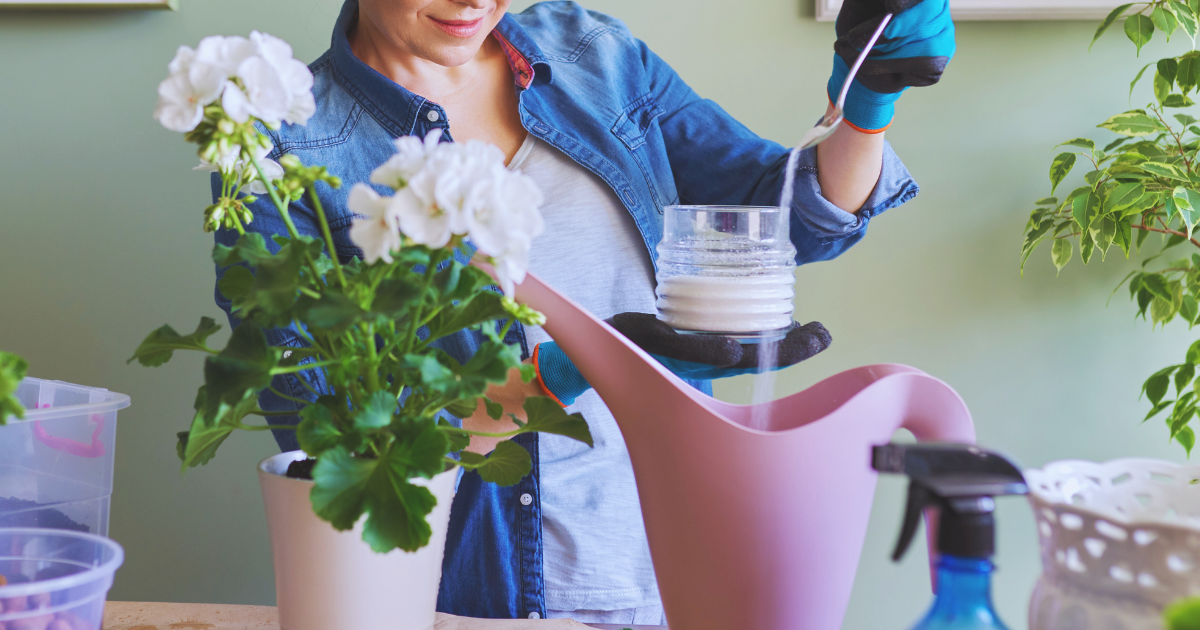
Fertilizing during the fall can interrupt a houseplant's natural rest period. As light levels drop and growth slows, plants enter a semi-dormant state. Forcing growth with fertilizer during this time can stress their internal processes, leading to leggy stems, weak leaves, and salt buildup in the soil. Understanding when to pause feeding is a key part of proper fall houseplant care.
Plants are no longer in active growth mode once October hits. Most tropical and subtropical species shift into conservation, using the energy they've already stored. Continuing to fertilize when they aren't actively growing doesn't offer any benefits—it often causes more harm than good. It’s best to hold off on feeding from late September through early spring unless you’re working with specific varieties like carnivorous plants or winter growers, which have unique nutritional needs.
As a general guideline, stop fertilizing your indoor plants once daily highs begin to dip below 65°F and natural daylight becomes noticeably shorter. If you're using artificial grow lights and your plants are still showing signs of active, healthy growth, a diluted dose once a month may be acceptable, but only if there’s clear visual evidence the plant is asking for it—such as new leaves or root development. Always err on the side of less during this period.
Over-fertilizing in cooler months can also throw off the microbial balance in your potting soil. This results in excess salts, pH imbalance, and crusty white buildup around the pot's edges. If this happens, consider flushing your soil with water to remove any lingering residue. Waiting until spring to resume feeding ensures your plants are hungry, strong, and ready to grow when the light returns. Holding off now is part of setting them up for a productive season ahead.
Prune Dead Leaves

Dead or damaged foliage left on your houseplants during fall can attract pests and disease while sapping energy that your plant could use more efficiently. As part of your fall houseplant care routine, pruning spent leaves helps your plant focus on preserving healthy growth during its rest period. It also gives you a clearer view of the plant’s structure, making it easier to spot any hidden issues before winter sets in.
Faded, yellowing, or browning leaves are the first to go. These parts of the plant are no longer contributing to photosynthesis and instead act as a drain. Use clean, sharp scissors or pruning shears to cut just above the node or at the base of the stem. Avoid tearing or ripping leaves off, which can open pathways for bacteria and fungi. If you notice mushy stems or leaves that look wet or soft, this could indicate rot. Remove those areas immediately and check your watering habits for potential overwatering.
Don’t prune healthy growth unless it’s for shaping or removing leggy stems caused by summer stretching. Any healthy tissue removed during fall won’t grow back until spring, so trimming should be strategic, not aggressive. Focus on keeping the plant tidy and ensuring good airflow between stems and leaves.
Focus on Sanitation and Timing
Pruning is only beneficial when your tools are clean and the cuts are made properly. Wipe your scissors with rubbing alcohol between plants to avoid spreading bacteria or pests. It’s also best to prune during the warmest part of the day when light is available, helping the plant recover faster. Avoid pruning right after watering, since hydrated stems are more prone to bruising.
Timing matters as well. Early to mid-October is ideal for seasonal pruning. Waiting too long increases the risk of shocking the plant just as it’s settling into its slower metabolic pace. A few small cuts at the right time can make a big difference in long-term health. Careful pruning now sets your plant up to maintain energy and come back stronger when growth resumes in spring.
Monitor Pests and Health

As your houseplants adjust to indoor conditions during fall, they may become more susceptible to pests and subtle health changes. Drier air, less light, and the stress of being moved inside can weaken a plant’s natural defenses. Paying close attention now helps you stay ahead of infestations and keeps your fall houseplant care routine on track.
Pest activity often increases after plants are brought indoors. Common culprits include spider mites, fungus gnats, aphids, and mealybugs. Look closely at leaf undersides, stem joints, and soil surfaces. A magnifying glass can help catch early signs—such as webbing, sticky residue, or tiny crawling insects. Catching these problems early prevents infestations from spreading across your indoor plant collection.
Don’t rely only on visual checks. Yellowing leaves, stunted growth, and soft stems can signal root issues or early rot. Use your hands to gently check soil moisture and feel the sturdiness of stems near the base. If anything seems off, isolate the plant and reassess your watering or lighting setup. A weak plant is more prone to developing secondary problems that are harder to reverse.
Create a consistent routine for inspection—once a week is usually enough. Use this time to wipe down leaves with a damp cloth to remove dust, which helps improve light absorption and gives you a clearer view of each plant’s condition. Keep a spray bottle of neem oil or insecticidal soap on hand so you can treat issues the moment they appear.
Monitoring health isn’t just about pest control. It’s also an opportunity to understand how each plant is responding to its indoor environment. The sooner you notice changes, the faster you can adjust care and avoid larger setbacks. Giving your plants this level of attention during fall helps build resilience that carries them through winter and into their next growing season.
FAQs About Fall Houseplant Care: The Exact Changes to Make in October
What should I do differently for fall houseplant care?
Focus on adjusting to cooler temps and shorter days. This includes watering less, increasing humidity, and reducing fertilizer use to match your plant's natural slowdown.
When should I bring plants indoors for fall?
Bring plants indoors once nighttime temperatures start dropping below 55°F. Waiting too long can shock tropical plants and affect their long-term health.
How do I increase humidity for houseplants in fall?
Use a humidifier, group plants close together, or set up pebble trays with water. These options help counteract dry indoor air from heating systems.
Should I stop using fertilizer during fall?
Yes. Most plants stop growing in cooler months, so it's better to pause all fertilizer use until spring to avoid salt buildup and stress.
How can I prevent pests when bringing plants indoors?
Inspect every plant thoroughly, wipe leaves clean, and isolate them for a week before placing them with your main collection. This prevents pest outbreaks early on.
Fern’s Leafy Learnings
Houseplants need less water during fall due to shorter daylight hours and slower growth.
Moving plants indoors before temperatures drop protects them from cold shock and stress.
Dry indoor air should be balanced with added humidity to support tropical plant health.
Fertilizer use should pause in fall to avoid overfeeding during a natural growth slowdown.
Regular inspections help catch pests early and keep your indoor collection healthy.
Deepen Your Roots with Flora
Caring for plants through seasonal changes is easier when you’re supported by a community that understands each phase of the journey. At Flora, you’re never left guessing. With tools like the Flora Pod™, expert care guides, and a thriving network of over 350,000 plant lovers, you’re part of something growing beyond the pot.
From first sprout to every fresh leaf, Flora equips you to give your plants what they need, exactly when they need it—especially when the seasons shift.
Looking to build your indoor oasis? Discover Flora’s curated plant selection and plant care technology designed with every plant parent in mind.
Ready to keep growing? Find more plant care stories and guidance below:


5 Signs Your Houseplant Needs Repotting Now
Mar 02, 2026
6 Anthurium Benefits You Didn't Know About
Mar 02, 2026

How to Prune Your Houseplants Before Spring Growth Season
Mar 02, 2026

10 Best Houseplants for Spring Repotting Success
Mar 02, 2026

Can ZZ Plants Survive in Low Light Conditions?
Mar 02, 2026

5 Critical Pre-Spring Pruning Tips for Houseplants
Mar 02, 2026

Can Succulents Survive Winter Outdoors in Your Climate Zone?
Mar 02, 2026

Which Houseplants Are Toxic to Cats and Should You Avoid Them?
Mar 02, 2026