

Low-Light Pet-Safe Plants: 12 Compact Picks for Dim Rooms


Shaded rooms deserve more than artificial greenery and forgotten corners. Low-light, pet-safe plants give you the freedom to decorate dim spaces without compromising your pets’ safety or your daily routine. Whether you're working with north-facing windows, shared living spaces, or simply want plants that stay compact and safe for animals, there’s a wide selection of species that tick all the right boxes. These plants don't just survive in dim corners—they adapt well to lower light and need very little intervention to remain healthy, vibrant, and stress-free.
Why Choose Compact Plants?
Compact houseplants provide all the benefits of greenery without taking over your living space. In small apartments, shared housing, or rooms with limited natural sunlight, large leafy specimens can feel overwhelming or quickly outgrow their designated spot. Compact plants, on the other hand, allow you to add vibrant life to even the tightest corners or shaded bookshelves without the stress of constant pruning or rearranging.
For pet owners, the challenge doesn’t stop at size. Safety becomes just as essential. Many common indoor plants contain compounds that can be toxic to dogs or cats if ingested. Choosing low light pet safe plants gives peace of mind, especially if your furry companions are curious chewers. Compact, shade-tolerant options also tend to require less upkeep, aligning perfectly with the needs of busy plant parents or those new to indoor gardening.
Choosing the right combination—small footprint, low light tolerance, and pet safety—means you can enjoy a lush indoor setting that’s functional, attractive, and free from potential risks. Whether you're outfitting a shaded corner or looking for greenery that complements a minimalist setup, these compact plants offer high reward with low maintenance.
12 Top Low-Light Pet-Safe Plants
Shady rooms don’t have to mean lifeless ones. With the right low light pet safe plants, you can create a vibrant green setup that keeps both your living space and your pets healthy. These compact selections thrive in indirect light and pose no threat to dogs or cats if nibbled, making them ideal for bedrooms, offices, and bathrooms. Each plant below meets three core criteria: low-light tolerance, compact growth, and pet safety.
1. Spider Plant

Spider plants grow in arching, grass-like tufts and adapt easily to low-light corners. Their cascading leaves make them a great pick for shelves or hanging baskets. These resilient houseplants don’t require much attention, and they tolerate inconsistent watering—perfect for plant parents with varying routines.
Because spider plants are non-toxic to cats and dogs, they're a popular favorite in homes with pets. Even though curious cats might be tempted to swat at their dangling pups (baby offshoots), there's no risk of poisoning, and the plant will bounce back quickly from rough play.
2. Parlor Palm

The parlor palm stands out as one of the best shade plants for indoors thanks to its ability to survive with very minimal light. With elegant fronds and a slow-growing nature, it stays manageable in size and adds a classic tropical feel without overwhelming the space.
As one of the top pet safe low maintenance plants, the parlor palm is ideal for pet owners seeking something easy to care for. Its fronds aren't enticing for most animals, but if they do chew on them, there’s no toxicity risk.
3. Boston Fern
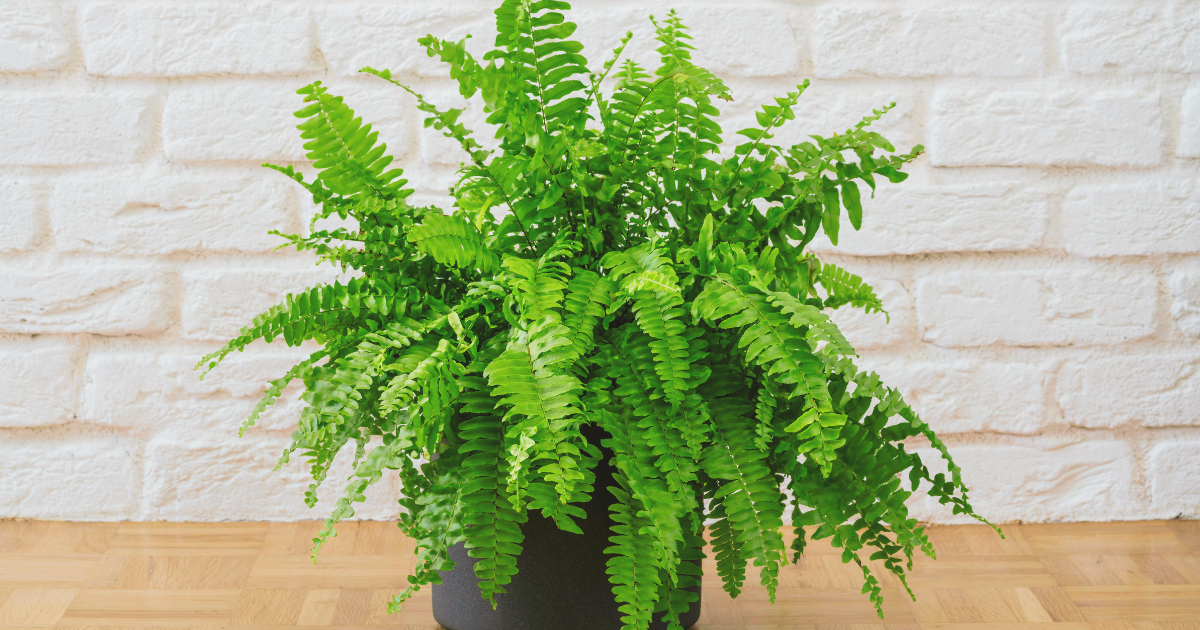
Boston ferns bring feathery texture and dense foliage to dim rooms. These ferns prefer cooler temperatures and consistent humidity, making them suitable for kitchens or bathrooms with filtered light. They can handle low light but will do best when positioned near a window that receives morning or diffused afternoon light.
They’re completely non-toxic to pets and also help purify indoor air, offering a dual benefit of safety and subtle filtration. Their compact spread makes them an excellent fit for smaller rooms or plant shelves.
4. Areca Palm

The Areca palm adds a sense of lush fullness without taking up much space, especially when kept pruned. It grows slowly and can adapt to indirect lighting conditions quite well. While it does enjoy bright conditions, it’s also tolerant of lower light levels, making it a flexible option for shaded corners.
Being non-toxic to pets, the Areca palm offers an excellent alternative to more common, but potentially dangerous, palm varieties. Its soft leaves are unlikely to attract gnawing, and even if they do, there’s no danger to pets.
5. Cast Iron Plant

True to its name, the cast iron plant is nearly indestructible. It survives low light, irregular watering, and poor air circulation without losing its dark green leaves. This makes it ideal for rooms with minimal sunlight and little airflow, like basements or shaded hallways.
Cast iron plants are entirely safe for cats and dogs and require minimal upkeep. Their upright growth stays compact, which helps them blend into tight spaces while still providing visual contrast with their thick, glossy leaves.
6. Prayer Plant

The prayer plant is known for its striking leaf patterns and unique behavior—its leaves fold upward at night, resembling hands in prayer. These plants stay low to the ground and grow slowly, making them a smart pick for tabletop displays or small shelves.
They prefer low to medium light and slightly higher humidity, but tolerate standard indoor conditions well. As a low light pet safe plant, the prayer plant checks every box: safe, small, and suitable for shaded spaces.
7. Peperomia
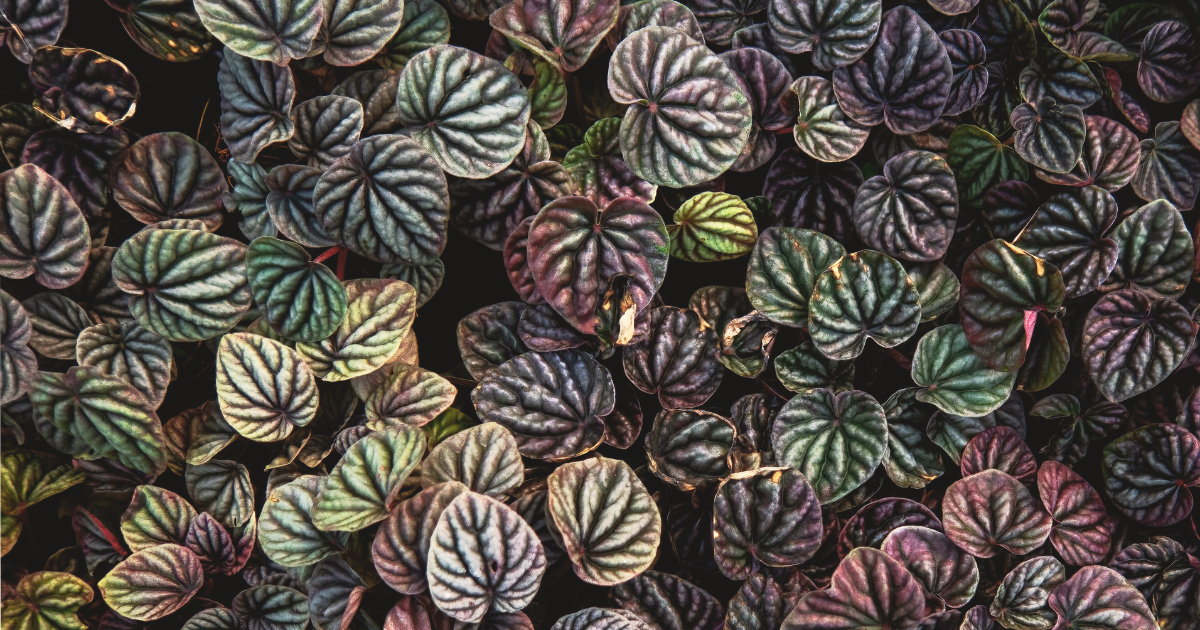
Peperomias are compact, semi-succulent plants that come in a variety of textures and leaf shapes. Many species offer thick, ridged, or heart-shaped leaves that stay small and manageable. They don’t need bright light and actually thrive in partial shade or filtered sunlight.
Because they’re non-toxic and don’t grow large, peperomias work well in homes with limited space and curious pets. Their versatility also makes them a favorite for grouping with other pet safe low maintenance plants.
8. Ponytail Palm
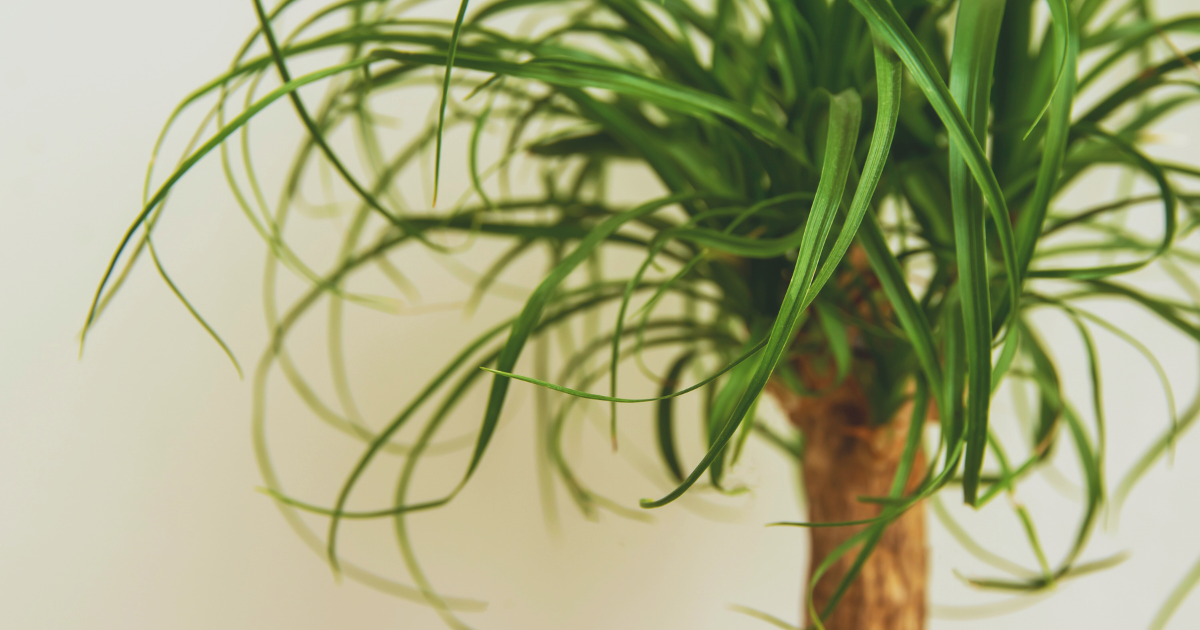
Despite the name, the ponytail palm isn’t a true palm. It stores water in its thick base, meaning it can go for long periods without watering, a trait shared by many pet safe low maintenance plants. Its wispy leaves and bulb-like trunk make it a unique addition to any shaded spot.
This plant does well in indirect light and doesn’t mind being forgotten for a while. It’s safe for pets and rarely suffers from pest issues, making it one of the easiest low-maintenance options available.
9. Calathea

Calatheas are prized for their bold, colorful leaves and responsive movement, which is similar to the prayer plant. They prefer filtered light and higher humidity, but many adapt well to typical indoor spaces when kept away from harsh sun.
Safe for pets and packed with visual interest, calatheas stay compact with regular care. Their wide variety of leaf styles means you can find one that fits nearly any design aesthetic, from modern minimalism to tropical flair.
10. Friendship Plant

The friendship plant is a variety of Pilea that grows in low mounds and produces textured, crinkled leaves. It thrives in medium to low light and prefers well-draining soil with moderate humidity.
As a non-toxic and friendly-looking option, it’s easy to see why this plant earned its name. It’s safe for curious paws and thrives without constant attention, offering the gift of greenery without the stress.
11. Aluminum Plant

With its silvery-striped foliage, the aluminum plant stands out visually even in low-light areas. This plant grows quickly but stays compact when pinched back, making it great for desks, windowsills, or small tables.
It prefers indirect light and stable temperatures. Since it’s not toxic to pets, there’s no need to worry if your cat brushes past it or your dog gives it a curious sniff. Its unusual leaf patterns make it a conversation piece in low-light collections.
12. Baby Rubber Plant

The baby rubber plant (Peperomia obtusifolia) features thick, glossy leaves that hold water, making it a semi-succulent. It tolerates dim rooms well and only needs watering once the soil dries out fully. Its upright, bushy growth stays neat without any trimming required.
As a pet-safe option, the baby rubber plant works well on shelves, plant stands, or clustered with other shade-loving greenery. Its low-maintenance nature makes it a reliable addition to any collection focused on low light pet safe plants.
These twelve options give you the flexibility to build a peaceful green corner that complements your routine and respects your pets' safety. From delicate ferns to sturdy succulents, each selection here fits into smaller spaces and dim rooms while keeping curious animals out of harm’s way.
General Care Tips for Low-Light Plants

Low-light plants don’t need direct sun to stay healthy, but they do have specific needs that differ from their sun-loving counterparts. Paying attention to how you care for these plants can keep them lush and long-lasting. Whether you’re placing them in an office with artificial lighting or in a naturally dim bedroom, proper care keeps them growing without issue.
Most of the plants that tolerate low light also prefer consistency over intensity. They don’t respond well to extremes—either in watering or light exposure. They grow slower than plants kept near bright windows, which makes them easier to manage but also more sensitive to overwatering or low humidity. Each tip below helps keep your low light pet safe plants healthy, attractive, and stress-free for both you and your pets.
Let soil partially dry before watering: These plants grow more slowly, so they don’t absorb water as quickly. Allowing the top inch or two of soil to dry before watering helps prevent root rot.
Use well-draining soil: A compact plant in a low-light setting doesn’t need rich, heavy mixes. Choose a light potting mix with added perlite or pumice to improve drainage.
Keep away from cold drafts or heaters: Many shade-loving plants prefer stable temperatures. Placing them near heating vents or drafty windows can stress their systems and cause leaf drop.
Rotate plants occasionally: Although they don’t crave sunlight, even shade-tolerant plants will grow toward light sources. Rotating your pots every couple of weeks keeps growth balanced and avoids leaning.
Wipe leaves regularly: Low-light conditions can cause dust to build up faster on leaves. Clean leaves with a soft, damp cloth every few weeks to allow proper light absorption and keep foliage looking fresh.
Limit fertilizing to once every few months: Since growth slows in low-light conditions, these plants don’t need constant feeding. A diluted liquid fertilizer applied every 2-3 months during the growing season is usually enough.
Provide indirect or filtered light when possible: Even plants labeled as “low light” prefer some access to indirect light. Placing them near north-facing windows or under sheer curtains gives them enough brightness without direct sun exposure.
Most common problems with low-light plants come from overwatering or poor airflow. Recognizing slow growth as normal and adjusting care routines to match their pace helps prevent these issues. Prioritizing soil quality, balanced light, and moderate humidity creates a better foundation for long-term plant health—even in shaded rooms.
When paired with safety-conscious choices, these tips make it easier to manage a thriving indoor garden that stays compact and pet-friendly. Each plant still has its own specific needs, but applying these general practices will give you a strong starting point no matter what combination of greenery you bring home.
Choosing the Best Shade Plants for Indoors

The best shade plants for indoors share three key traits: tolerance for low light, manageable size, and adaptability to indoor conditions. When combined with pet safety, these characteristics create a stress-free plant care experience, even in rooms with limited sunlight. Selecting the right plants isn’t about choosing what looks most exotic—it’s about finding those that fit the light levels of your space and your care routine.
Begin by identifying the type of light your space receives. A north-facing window, or any spot far from direct sun, qualifies as low light. These areas still get ambient brightness but not enough to support high-light plants like succulents or cacti. Plants labeled for “low light” don’t require direct rays but still need visual access to daylight. Matching a plant’s light tolerance with your room’s exposure is one of the most reliable ways to prevent issues like stunted growth or leaf drop.
Once you’ve assessed your space, consider the size and habits of the plant. Compact growers like the baby rubber plant, friendship plant, or spider plant maintain their shape over time without stretching or taking over shelves. Slower-growing species often require less pruning and allow more flexibility in placement. Look for upright, non-trailing growth if your space is narrow, or choose cascading forms if you plan to use hanging planters or wall shelves.
Pet safety is the final filter. The best shade plants for indoors are those you can trust around cats and dogs, even if they occasionally chew or knock them over. Plants like the prayer plant, parlor palm, and calathea stay visually interesting while posing no harm to pets. These selections also require less light and maintenance, making them perfect for busy plant parents.
Compact shade plants are more than just decorative—they’re practical choices for small homes, busy schedules, and pet-filled households. Prioritizing light compatibility, growth habit, and toxicity helps you create a collection that supports both your space and your lifestyle, without adding unnecessary worry.
FAQs About Low-Light Pet-Safe Plants: 12 Compact Picks for Dim Rooms
What are the best low light pet safe plants for beginners?
Spider plants, baby rubber plants, and parlor palms are among the best low light pet safe plants for beginners. They tolerate inconsistent care and adapt well to dim conditions.
Do low light indoor plants still need sunlight to grow?
Yes, low light indoor plants still require ambient or indirect sunlight. They won’t survive in total darkness, but they can stay healthy near windows that don’t get direct rays.
Are all compact plants safe for pets?
Not all compact plants are safe for pets. Some small species, like certain types of philodendrons or pothos, contain compounds that can be toxic if ingested by cats or dogs.
What makes a plant one of the best shade plants for indoors?
Plants that tolerate indirect light, grow slowly, and require minimal maintenance are considered the best shade plants for indoors. Pet safety is another important factor for homes with animals.
How do I know if my space is suitable for low light plants?
If your room receives soft, indirect light or is positioned several feet from a window, it's suitable for low light plants. North-facing rooms and interior bathrooms are good examples.
Fern’s Leafy Learnings
Compact, pet-safe plants are ideal for low-light rooms and require less intervention than sun-loving species.
Parlor palms are a standout choice for shaded spaces due to their low-maintenance needs and pet-safe profile.
Proper soil drainage and cautious watering are key to preventing common issues in low light setups.
Low light plants still require indirect sunlight, regular rotation, and occasional cleaning for best results.
Choosing the best shade plants for indoors means balancing light needs, pet safety, and long-term growth habits.
Deepen Your Roots with Flora
Your green space should be as thoughtful as it is beautiful. With Flora, you’ll find more than just plants—you’ll find solutions made for real homes, real lighting, and real pet-loving plant parents. From our curated selection of low-light species to our tech-enabled Flora Pod™, everything is designed to support your space and simplify your care.
Thousands of plant enthusiasts grow with Flora daily, backed by expert knowledge, hands-on tools, and a thriving community that understands that caring for plants means caring for every detail.
Looking to expand your plant knowledge and collection? Browse our pet-safe picks and tailored care tools today.


5 Signs Your Houseplant Needs Repotting Now
Mar 02, 2026
6 Anthurium Benefits You Didn't Know About
Mar 02, 2026

How to Prune Your Houseplants Before Spring Growth Season
Mar 02, 2026

10 Best Houseplants for Spring Repotting Success
Mar 02, 2026

Can ZZ Plants Survive in Low Light Conditions?
Mar 02, 2026

5 Critical Pre-Spring Pruning Tips for Houseplants
Mar 02, 2026

Can Succulents Survive Winter Outdoors in Your Climate Zone?
Mar 02, 2026

Which Houseplants Are Toxic to Cats and Should You Avoid Them?
Mar 02, 2026