

Pruning Lavender in Spring: Best Techniques


Pruning lavender in spring is the key to keeping plants full, fragrant, and productive. Without regular trimming, lavender can become woody, produce fewer blooms, and lose its compact shape. Spring is the ideal time to cut back overgrown stems, promote fresh growth, and extend the plant’s lifespan. Understanding when and how to prune ensures stronger stems, increased flowering, and a healthier plant overall. Using the right tools and techniques prevents damage and encourages vibrant regrowth, making spring pruning an essential step in lavender care.
Why Spring is the Best Time for Pruning
Pruning lavender in spring is essential for maintaining its health, shape, and ability to produce abundant, fragrant blooms. As temperatures begin to rise and the risk of frost diminishes, lavender plants enter their active growing phase, making spring the ideal time to encourage new growth. Cutting back the plant before it fully awakens ensures that energy is directed toward developing strong stems and vibrant flowers rather than sustaining old or woody growth.
Lavender pruning in spring also prevents legginess, a common issue where stems become too long and weak to support foliage. Without regular trimming, lavender can develop a sprawling, unkempt appearance with fewer flowers. A well-timed cut in early to mid-spring promotes a bushier, more compact plant that is both visually appealing and structurally sound.
Beyond aesthetics, spring pruning reduces the likelihood of disease and pest infestations. Old, dead stems can harbor mold, fungi, or insects that threaten the plant’s health. Removing these problem areas allows for better air circulation and sunlight penetration, creating an environment where lavender thrives. Proper spring maintenance sets the foundation for a season of vigorous growth and abundant blooms.
Essential Tools for Pruning Lavender
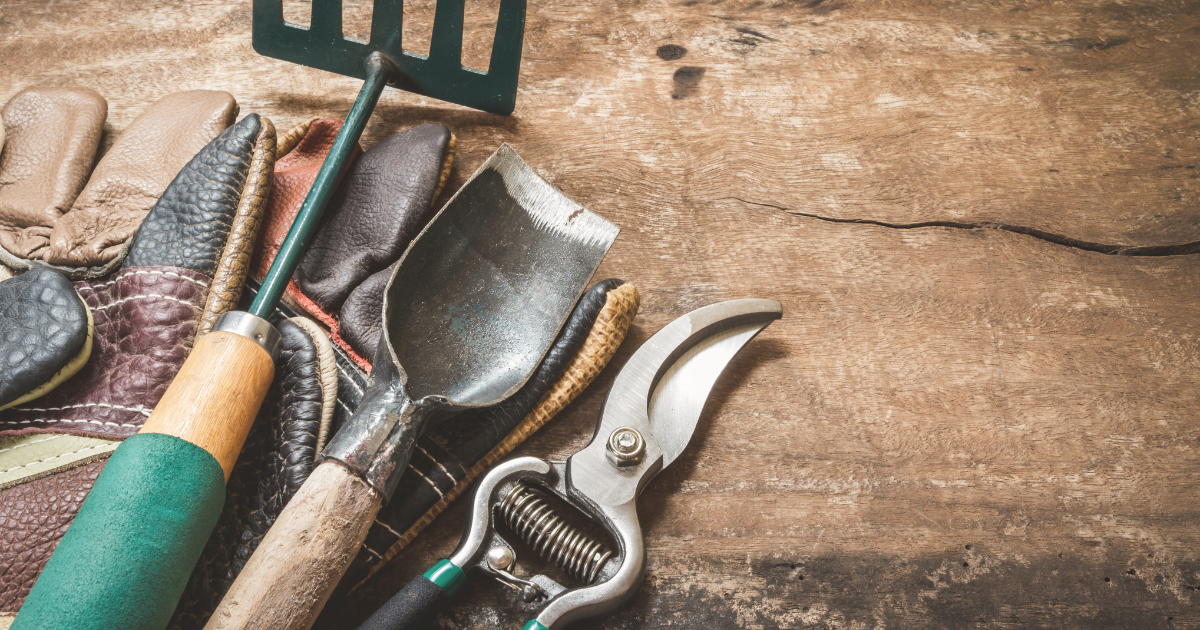
Pruning lavender in spring requires the right tools to make clean cuts that promote healthy regrowth. Using dull or improper equipment can damage stems, making them more susceptible to disease and slow healing. Investing in high-quality pruning tools ensures precision and supports long-term plant health. Regular maintenance, such as sharpening blades and disinfecting between uses, further prevents complications that can arise from improper cuts.
Best Tools for Precise Lavender Pruning
Sharp hand pruners are the most important tool for trimming lavender. Bypass-style pruners create clean, smooth cuts without crushing stems, making them ideal for shaping the plant and removing spent flowers. Keeping pruners sharp prevents jagged edges that could slow the healing process.
For older plants with thicker stems, pruning shears with longer blades provide better cutting power. Lavender that has gone too long without trimming often develops a woody base that requires stronger tools. Using high-quality shears prevents unnecessary tearing and stress on the plant.
A fine-toothed pruning saw is useful when dealing with mature lavender plants that have hardened lower stems. When pruners or shears are not sufficient, a small saw allows for precise cuts that encourage healthy regeneration. This tool is particularly useful for reshaping lavender shrubs that have grown out of control.
Wearing gloves protects hands from rough stems and potential irritation from lavender’s natural oils. Thick gardening gloves provide a secure grip on tools while preventing accidental scrapes. Choosing a pair with flexible material ensures better control when handling delicate stems.
A disinfectant solution helps keep pruning tools clean and prevents the spread of disease. Wiping blades with rubbing alcohol or a diluted bleach solution between cuts reduces the risk of infection. Regular cleaning keeps lavender healthy and ensures that each pruning session supports strong regrowth.
Step-by-Step Guide to Spring Lavender Pruning

Lavender pruning in spring helps maintain a compact shape, encourages fuller growth, and prevents plants from becoming woody. Trimming at the right time and using proper techniques ensure a stronger plant with abundant blooms throughout the growing season. Pruning too early may expose new growth to frost damage, while delaying cuts can lead to weak, leggy stems. Following a structured approach keeps lavender healthy and vibrant.
When to Prune Lavender in Spring
Timing plays a critical role in effective pruning. Lavender should be trimmed once the risk of frost has passed and new green growth starts appearing at the base of the plant. For most regions, this falls between early and mid-spring, depending on local climate conditions. Cutting too soon can stress the plant, while waiting too long may reduce flowering potential. Observing the plant’s growth cycle helps determine the best time for pruning.
How to Trim Lavender for Healthier Growth
Start by removing any dead or damaged stems from the plant. Dry, brittle stems should be cut back to where new green growth is visible. Clearing away this older material allows more light and air to reach the plant, promoting healthier development.
Next, shape the plant by trimming about one-third of its total height. Making cuts just above a pair of healthy leaves encourages branching and results in a fuller, more compact structure. Avoid cutting into the woody base, as lavender struggles to regrow from hardened stems.
Finish by cleaning up any spent flower stalks or uneven growth. Removing old blooms prevents the plant from wasting energy on seed production and redirects resources to new foliage. Regular maintenance throughout the season ensures lavender stays well-shaped and continues to produce fragrant flowers.
Common Mistakes to Avoid When Pruning
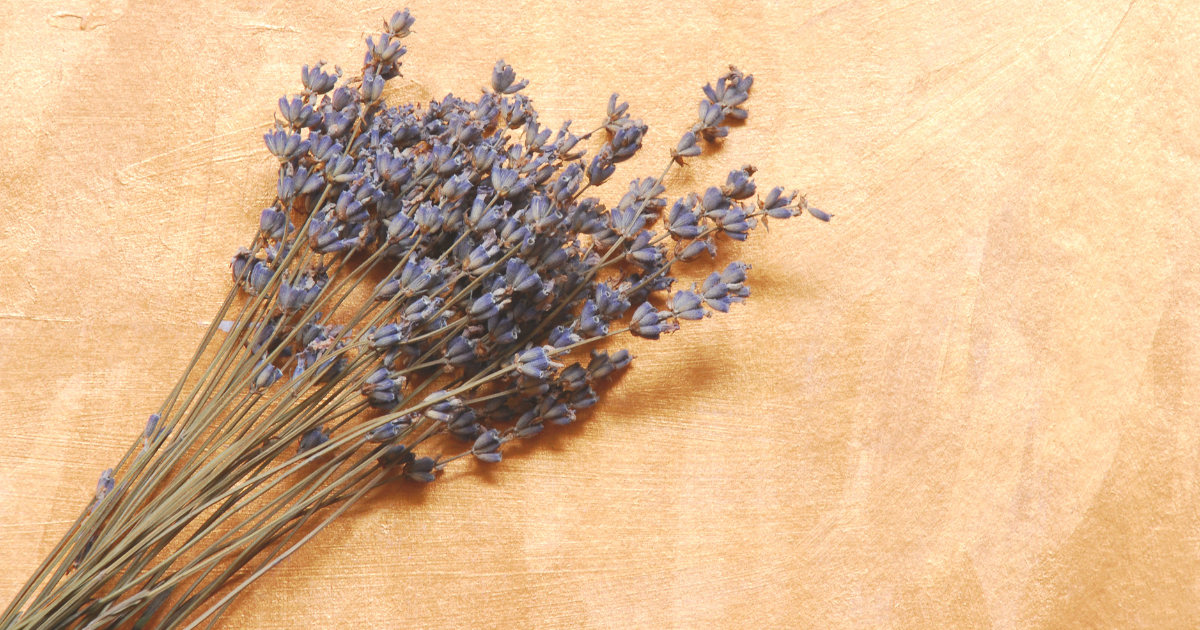
Pruning lavender in spring improves growth and flowering, but improper techniques can weaken the plant. Cutting too aggressively, trimming at the wrong time, or neglecting regular maintenance may result in reduced blooms or long-term damage. Avoiding common mistakes helps ensure a stronger, healthier plant throughout the season.
Cutting into woody stems: Lavender struggles to regrow from hardened, woody bases. Trimming too far down can leave bare sections that do not recover. Always make cuts just above green growth to encourage new shoots.
Pruning too early in spring: Trimming before the last frost can expose tender new growth to cold damage. Waiting until new green shoots appear at the plant’s base ensures that pruning supports healthy regrowth rather than weakening the plant.
Leaving too much old growth: Failing to remove spent flowers and leggy stems results in a messy appearance and reduced flowering. Regularly shaping the plant keeps it compact and encourages stronger blooms.
Over-trimming young lavender: Newly planted lavender should be allowed to establish roots before heavy pruning. Light trimming helps maintain shape, but removing too much early on can slow overall growth and development.
Skipping tool maintenance: Using dull or unclean pruning tools can crush stems or spread disease between cuts. Keeping blades sharp and disinfecting pruners with rubbing alcohol or diluted bleach prevents infections and promotes clean healing.
Proper pruning techniques maximize lavender’s longevity and flowering potential. Avoiding these mistakes keeps plants strong and full, ensuring a productive growing season.
Benefits of Regular Lavender Pruning
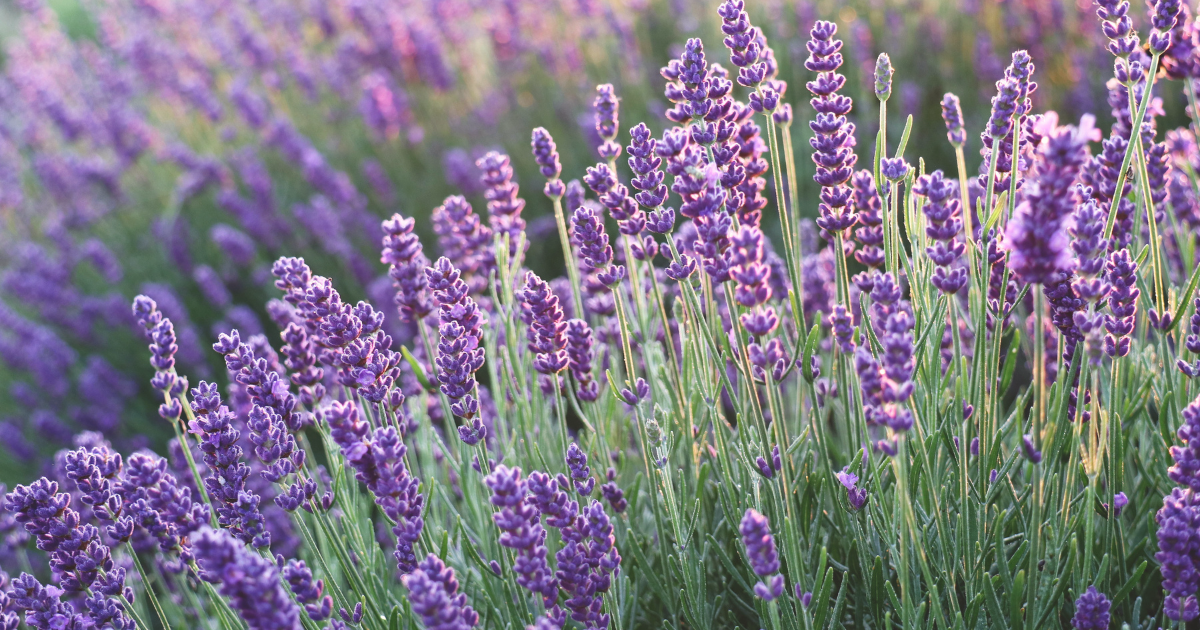
Pruning lavender in spring is essential for maintaining a healthy, productive plant. Without regular trimming, lavender can become woody, produce fewer blooms, and develop an untidy shape. Proper pruning encourages strong growth, enhances flowering, and extends the plant’s lifespan.
Cutting back lavender at the right time stimulates new shoots and keeps the plant compact. When left untrimmed, stems stretch out and become weak, leading to sparse foliage and fewer flowers. Regular pruning prevents legginess and ensures a dense, well-shaped plant with a steady supply of fragrant blooms.
Removing dead or damaged stems also improves airflow and reduces the risk of disease. Crowded or overgrown lavender is more likely to develop fungal issues due to trapped moisture and limited circulation. Trimming away excess growth promotes better ventilation, helping the plant stay dry and resistant to common problems like root rot or powdery mildew.
Another advantage of consistent pruning is improved essential oil production. Healthy, well-maintained lavender plants produce higher-quality flowers with a stronger fragrance. Whether grown for ornamental purposes or harvested for oil extraction, properly trimmed lavender offers better results in both appearance and aroma.
Regular maintenance also extends the plant’s lifespan. Neglected lavender tends to become woody and unproductive over time, but annual pruning helps rejuvenate growth. A well-cared-for lavender plant can remain productive for a decade or more, providing beauty and fragrance season after season.
FAQs About Pruning Lavender in Spring: Best Techniques
When is the best time for pruning lavender in spring?
Lavender should be pruned once the last frost has passed and new green growth appears at the base of the plant. This typically falls between early and mid-spring, depending on regional climate conditions. Cutting too early can expose tender growth to cold damage, while pruning too late may reduce blooming potential.
How much of the lavender plant should be pruned?
Trimming about one-third of the plant’s total height encourages healthy regrowth and prevents legginess. Cuts should always be made just above new green growth, avoiding the woody base since lavender struggles to regrow from hardened stems.
What happens if lavender is not pruned regularly?
Without regular pruning, lavender becomes woody, sparse, and produces fewer flowers over time. Overgrown stems weaken the plant’s structure, leading to an untidy appearance and reduced air circulation, which can increase susceptibility to disease.
Can lavender be pruned after it starts flowering?
Once lavender begins flowering, only light trimming should be done to remove spent blooms and encourage continued blooming. Heavier pruning should be reserved for early spring or after the main flowering period to avoid stressing the plant.
What tools are best for pruning lavender?
Sharp bypass pruners are the best tool for precise lavender trimming, as they create clean cuts without crushing stems. For older, woody lavender, pruning shears or a fine-toothed pruning saw may be needed to remove thicker growth. Keeping tools sharp and disinfected prevents disease and promotes healthy regrowth.
Fern's Leafy Learnings
Spring pruning keeps lavender compact, full, and healthy. Trimming at the right time prevents woody stems and encourages strong regrowth.
Using the right tools, such as sharp pruners and shears, ensures clean cuts that heal quickly, reducing the risk of disease.
Removing about one-third of the plant’s height encourages fresh shoots, better air circulation, and improved flowering.
Avoiding common mistakes like cutting into the woody base helps prevent irreversible damage and ensures continued growth.
Regular pruning increases lavender’s lifespan and fragrance. Well-maintained plants stay vibrant and productive for many years.
Deepen Your Roots with Flora
Caring for plants goes beyond watering and sunlight—it's about knowledge, community, and ongoing growth. With Flora, plant enthusiasts gain access to expert care insights, cutting-edge tools like the Flora Pod™, and a thriving network of over a quarter-million plant lovers. Whether nurturing a single lavender plant or curating a flourishing green space, Flora is here to support every step of your journey.
Looking to cultivate a healthier garden? Explore Flora’s plant care resources and innovative solutions today.
Want more expert growing tips? Keep reading for more care insights and techniques:

5 Signs Your Houseplant Needs Repotting Now
Mar 02, 2026
6 Anthurium Benefits You Didn't Know About
Mar 02, 2026

How to Prune Your Houseplants Before Spring Growth Season
Mar 02, 2026

10 Best Houseplants for Spring Repotting Success
Mar 02, 2026

Can ZZ Plants Survive in Low Light Conditions?
Mar 02, 2026

5 Critical Pre-Spring Pruning Tips for Houseplants
Mar 02, 2026

Can Succulents Survive Winter Outdoors in Your Climate Zone?
Mar 02, 2026

Which Houseplants Are Toxic to Cats and Should You Avoid Them?
Mar 02, 2026