

Pruning Roses in Spring: Essential Tips for Bloom

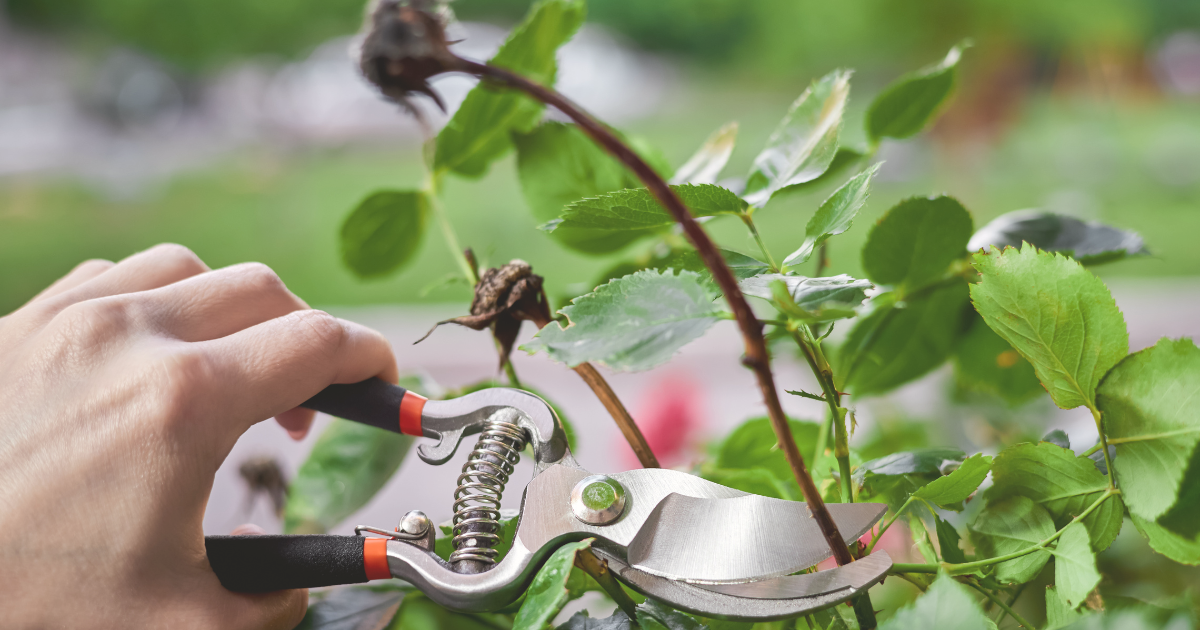
Pruning roses in spring is one of the most effective ways to encourage healthy growth and abundant blooms. Well-timed cuts remove dead wood, shape the plant, and direct energy toward strong canes that will support lush flowers. Without regular pruning, roses can become overgrown, prone to disease, and produce fewer blossoms. Understanding the right techniques and timing helps ensure that each rose bush reaches its full potential, rewarding you with a stunning floral display throughout the season.
Why Prune Roses in Spring?
Pruning roses in spring is an essential step in maintaining healthy, vibrant blooms throughout the growing season. Removing dead or damaged wood encourages new growth and helps shape the plant for optimal air circulation. This process also minimizes the risk of disease by eliminating areas where pests and fungal infections thrive.
Spring rose pruning is particularly beneficial because it aligns with the plant's natural growth cycle. As temperatures warm, roses emerge from dormancy, sending out fresh shoots. Trimming away weak or crowded branches directs energy toward stronger canes, leading to robust flowering. Proper cuts at the right time stimulate abundant blooms and prevent leggy, overgrown stems that can weaken the plant over time.
Another important reason to focus on pruning roses in the spring is to control the overall size and structure of the plant. Regular trimming keeps rose bushes from becoming unruly while encouraging a well-balanced shape. Well-pruned roses not only look more aesthetically pleasing but also produce better-quality flowers. Removing excess growth allows sunlight to reach inner branches, supporting overall plant health and bloom production.
Best Time for Spring Rose Pruning
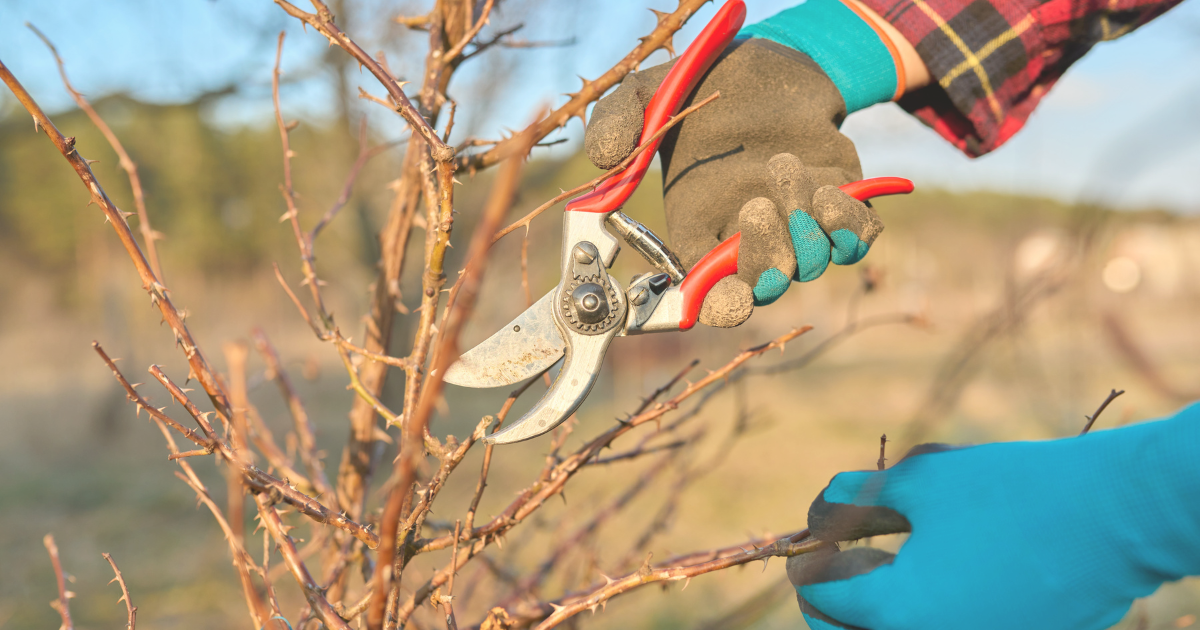
The best time for pruning roses in spring depends on your climate and the specific variety of rose. In most regions, early spring—just as buds begin to swell but before new growth fully emerges—is the ideal time to trim back old wood and shape the plant. This timing allows roses to direct energy into strong, healthy canes, setting the stage for an abundant bloom cycle.
For many gardeners, a reliable indicator is the blooming of forsythia shrubs. These bright yellow flowers signal that temperatures are warming and that it’s safe to begin spring rose pruning. Cutting too early while there is still a risk of frost can damage tender shoots, while waiting too long may result in wasted energy on weak or unnecessary growth.
Different rose types may require slight adjustments in timing. Hybrid teas, floribundas, and grandifloras generally benefit from pruning just as new growth appears. Shrub and old-fashioned roses, which bloom on previous-season wood, may require a lighter touch to preserve flower buds. Observing your plants closely and adjusting your approach based on their growth patterns will help maximize flowering potential throughout the season.
Essential Tools for Rose Pruning
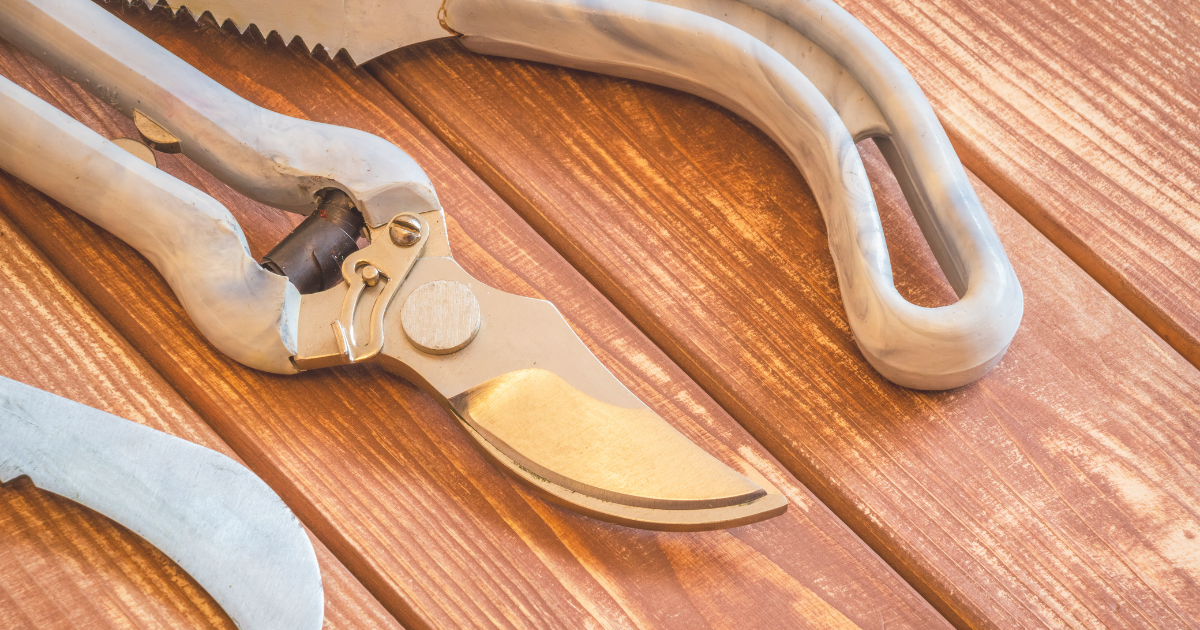
Having the right tools for pruning roses in spring makes the process more efficient and helps prevent damage to the plant. Clean, sharp equipment ensures precise cuts that promote faster healing and reduce the risk of disease. Proper tools also make it easier to remove dead or weak wood while shaping the plant for healthy growth.
Must-Have Pruning Tools
Bypass Pruners: A high-quality pair of bypass pruners is essential for cutting live wood cleanly. These shears use a scissor-like action to create smooth cuts that heal quickly, preventing stress on the plant.
Loppers: Thick or woody stems require loppers, which have long handles for extra leverage. This tool is especially useful for older rose bushes with dense growth.
Pruning Saw: For mature roses with thick, woody canes, a pruning saw helps remove stubborn branches without crushing the plant tissue. Look for a fine-toothed saw designed for small to medium branches.
Gloves: A durable pair of gloves protects hands from thorns while providing a firm grip on tools. Leather or reinforced fabric gloves are ideal for handling tough canes.
Disinfectant: Cleaning pruning tools between cuts prevents the spread of disease. A simple solution of rubbing alcohol or diluted bleach helps keep blades sanitary.
Sharp, well-maintained tools make pruning roses in the spring easier and more effective. Regularly sharpening blades and disinfecting between cuts ensures smooth pruning while keeping plants healthy throughout the growing season.
Step-by-Step Guide to Pruning Roses

Pruning roses in spring helps remove dead wood, encourage strong growth, and shape the plant for better airflow. Following a structured approach ensures that each cut benefits the plant and promotes abundant flowering.
1. Identify Dead or Diseased Wood
Look for dark, shriveled, or brittle stems, as these indicate dead or diseased wood. Healthy canes should be green inside when cut. Removing unhealthy growth prevents infections from spreading and allows new shoots to develop.
2. Cut at the Right Angle
Make each cut at a 45-degree angle about ¼ inch above an outward-facing bud. This encourages growth away from the center of the plant, improving air circulation and reducing the risk of fungal diseases. A clean, angled cut also prevents water from pooling on the wound.
3. Remove Weak or Crowded Stems
Thin out spindly stems that lack strength, as they divert energy from healthier canes. Select the strongest branches and remove weak, crossing, or inward-growing stems. A well-spaced rose bush allows better light penetration, leading to stronger blooms.
4. Trim to the Desired Shape
Shape the plant to maintain a balanced, open structure. Most roses benefit from being pruned to a height of 12–24 inches, depending on the variety. Shrub roses may be left slightly taller, while hybrid teas and floribundas thrive when pruned lower.
5. Seal Large Cuts if Needed
For cuts larger than ½ inch in diameter, applying a sealing compound can help prevent disease and insect damage. Though not always necessary, this step is useful for regions prone to rose cane borers or fungal issues.
Pruning roses in the spring ensures a strong foundation for new growth and a productive blooming season. Proper technique and attention to plant health result in vibrant, well-structured roses that thrive throughout the year.
Tips for Different Rose Types

Different rose varieties require specific pruning techniques to encourage healthy growth and abundant blooms. Understanding the needs of each type helps ensure proper care and long-lasting flowers.
Hybrid Tea Roses: Cut back to about 12–24 inches tall, leaving three to five strong canes. Removing weak stems encourages large, well-formed blooms on sturdy branches. Prune these roses hard for the best results.
Floribunda Roses: Trim to maintain a rounded shape while removing weak or inward-growing stems. These roses bloom in clusters, so lighter pruning promotes continuous flowering throughout the season.
Grandiflora Roses: Maintain a balance between hybrid tea and floribunda pruning techniques. Removing older wood and thinning out excess growth helps these tall, bushy roses stay strong and produce large flowers.
Shrub Roses: Minimal pruning is needed beyond shaping and removing dead wood. These roses grow naturally into a full, bushy form and benefit from occasional thinning to improve airflow and reduce disease risk.
Climbing Roses: Avoid heavy pruning, as these roses bloom on old wood. Remove only dead or damaged canes and shape the plant by training new shoots along supports. Cutting too aggressively can reduce flower production.
Miniature Roses: Light trimming is best, focusing on dead or overcrowded branches. Keeping these roses tidy ensures a compact shape while allowing room for new blooms.
Pruning methods vary based on growth habits and bloom cycles. Matching techniques to the specific rose type ensures healthy development and an impressive display of flowers throughout the growing season.
Post-Pruning Care for Healthy Blooms

After pruning roses in the spring, proper care ensures strong recovery and abundant flowering. Fresh cuts stimulate new growth, but additional steps help roses stay resilient against stress, pests, and disease.
Watering deeply after pruning supports root strength and encourages new shoots. Moist but well-draining soil prevents dehydration while avoiding waterlogged conditions that can lead to root rot. A slow, steady watering routine promotes steady growth without overwhelming the plant.
Applying a balanced fertilizer provides essential nutrients for regrowth. A rose-specific blend or a general-purpose fertilizer with nitrogen, phosphorus, and potassium helps strengthen canes and boost bud formation. Organic options, such as compost or well-aged manure, improve soil health and promote continuous nourishment.
Mulching around the base of the plant helps retain moisture and regulate soil temperature. A two- to three-inch layer of organic mulch, such as bark or compost, keeps roots insulated while reducing weed competition. Keeping mulch a few inches away from the stems prevents excess moisture buildup that could lead to fungal infections.
Inspecting for pests and disease after pruning helps catch problems early. Aphids, spider mites, and black spot can affect new growth, so monitoring leaves and stems ensures a healthy recovery. Treating issues with insecticidal soap, neem oil, or proper air circulation adjustments keeps roses in good condition.
Supporting freshly pruned roses with proper hydration, nutrition, and disease prevention encourages strong, vibrant blooms throughout the growing season. Each step enhances plant resilience and prepares roses for their best possible flowering display.
FAQs About Pruning Roses in Spring: Essential Tips for Bloom
What happens if you don’t prune roses in the spring?
Without pruning, roses can become overcrowded, leading to poor air circulation and an increased risk of disease. Weak and dead branches also drain energy from the plant, resulting in fewer and smaller blooms. Regular pruning keeps roses strong, healthy, and visually appealing.
How do I know if I pruned my roses too much?
If your rose bush has very few remaining canes or struggles to produce new growth, it may have been over-pruned. Most roses recover with proper care, including watering, fertilization, and mulch to support new shoots. Leaving at least three to five strong canes ensures a balanced structure.
Is it better to prune roses in the fall or spring?
Spring pruning is the best time for most rose varieties, as it coincides with their natural growth cycle. Cutting roses back in the fall can leave them vulnerable to winter damage, while spring pruning removes any dieback and encourages new growth. The only exception is light fall trimming to remove weak or damaged stems.
Can I use regular scissors to prune roses?
Regular scissors are not recommended for pruning roses, as they can crush stems rather than create clean cuts. Bypass pruners are the best tool for precise, healthy cuts that heal quickly. Using sharp, sterilized tools prevents plant stress and disease spread.
How soon will roses bloom after spring pruning?
Most roses begin producing buds within a few weeks of spring pruning, depending on the variety and climate. Providing proper watering, fertilization, and sunlight helps speed up the process. Well-pruned roses typically bloom more abundantly and for a longer period.
Fern's Leafy Learnings
Pruning roses in spring removes dead and weak wood, improves air circulation, and encourages strong growth for better blooms.
The right timing depends on local climate, but pruning when buds begin to swell prevents wasted energy on weak stems.
Essential tools like bypass pruners, loppers, and a pruning saw ensure clean cuts that promote faster healing and reduce disease risk.
Different rose types require specific pruning techniques—hybrid teas need hard pruning, while climbing roses should be lightly trimmed to maintain flower production.
Post-pruning care such as deep watering, fertilization, and pest monitoring supports healthy regrowth and abundant flowering throughout the season.
Deepen Your Roots with Flora
Caring for plants goes beyond the occasional trim—it’s about building a lasting connection with nature. Flora brings plant enthusiasts the tools, knowledge, and support needed to cultivate vibrant, thriving greenery. From expert care tips to an engaged community of plant lovers, Flora helps you nurture your botanical journey with confidence.
Looking to expand your garden? Explore Flora’s plant collections and innovative care solutions today.
Want more expert guidance? Keep learning with our detailed plant care insights here:

5 Signs Your Houseplant Needs Repotting Now
Mar 02, 2026
6 Anthurium Benefits You Didn't Know About
Mar 02, 2026

How to Prune Your Houseplants Before Spring Growth Season
Mar 02, 2026

10 Best Houseplants for Spring Repotting Success
Mar 02, 2026

Can ZZ Plants Survive in Low Light Conditions?
Mar 02, 2026

5 Critical Pre-Spring Pruning Tips for Houseplants
Mar 02, 2026

Can Succulents Survive Winter Outdoors in Your Climate Zone?
Mar 02, 2026

Which Houseplants Are Toxic to Cats and Should You Avoid Them?
Mar 02, 2026