

Repotting 101: A Beginner's Guide to Repotting Houseplants


Let's say you've got this small houseplant that you never thought would make it through the winter. But now, it's doing better than ever and it's got roots all over the place - top and bottom!
It's obvious that the little guy needs a new home in a bigger pot, but repotting can seem pretty intimidating. Don't worry - Flora's got you covered with an easy guide to help you relocate your favorite houseplants!
Step 1: Does your plant actually need repotting?
Firstly, it's important to check if your plant needs repotting. Look out for roots growing out of the drainage holes, water draining too quickly, or the plant becoming top-heavy. If you notice any of these signs, it means it's time to repot.

Step 2: Choosing the Right Pot and Soil
Next, you need to select the right pot and soil. Choose a pot that is one size bigger than the current one and ensure it has drainage holes. For soil, use a high-quality potting mix that is suitable for your plant species.
RULE OF GREEN THUMB
Don’t repot plants too often, if your plant is happy and it’s not been long since you’ve last repotted it then leave it - house moves are stressful and it's no different for a plant!
Step 3: Preparing for Repotting
Before repotting, water your plant a day or two in advance to keep the roots hydrated. Also, make sure you have all the necessary tools, such as a trowel or spoon and a clean surface to work on.

Step 4: Gently Removing the Plant from the Current Pot
When removing the plant from the current pot, support it from the base and turn it upside down. Tap the pot's sides or gently squeeze it to loosen the root ball. If the roots are tightly bound, use your fingers to loosen them up.
RULE OF GREEN THUMB
Plants may look sad after repotting due to transplant shock. Keep caring for them and they'll recover in a few weeks.
Step 5: Pruning and Inspecting the Roots
Check the roots for any damage, disease, or pests. Trim any dead or rotting roots using clean scissors or pruning shears. Be gentle with the roots as they are vital to the plant's health. Now, it's time to place the plant in the new pot.
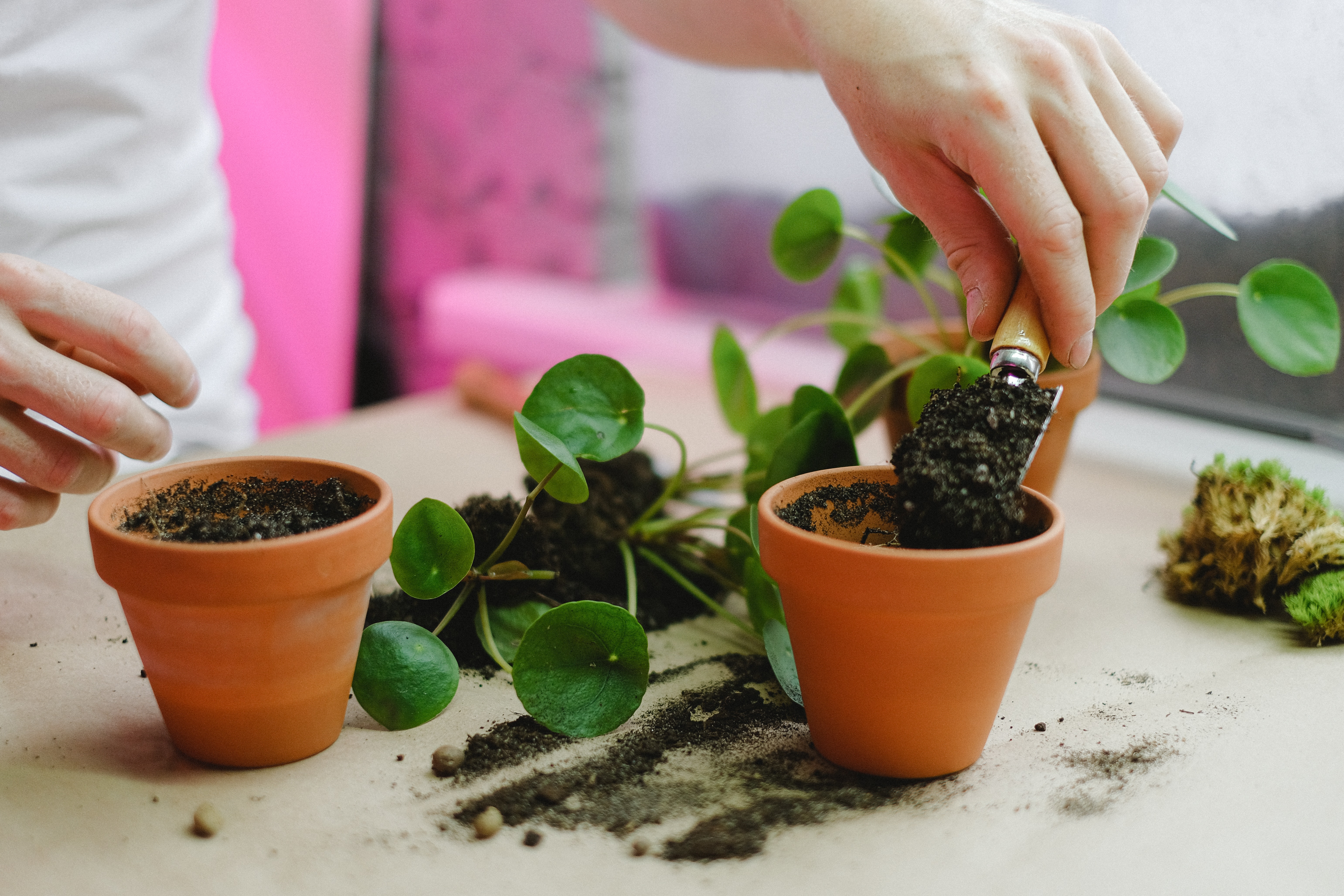
Step 6: Placing the Plant in the New Pot
Start with a layer of fresh potting mix at the bottom, ensuring it's level and leaving enough space for the root ball. Center the plant in the pot and fill the remaining space with potting mix. Firm it gently around the roots to remove any air pockets.
RULE OF GREEN THUMB
When repotting your plants, it's a great opportunity to divide and propagate them. This way, you can use the smaller pots that you've just freed up. It's the perfect time to do it!
Step 7: Watering and Post-Repotting Care
Water the plant until water drains out of the bottom of the pot. This helps the soil settle properly. Place the plant in a suitable spot with the right amount of light and keep an eye on it in the coming weeks.
Repotting houseplants may seem daunting at first, but with the right approach and guidance, it becomes a simple and rewarding task.
Remember, repotting is an opportunity for growth and rejuvenation, allowing you to enjoy healthier and more vibrant houseplants in your home!

5 Signs Your Houseplant Needs Repotting Now
Mar 02, 2026
6 Anthurium Benefits You Didn't Know About
Mar 02, 2026

How to Prune Your Houseplants Before Spring Growth Season
Mar 02, 2026

10 Best Houseplants for Spring Repotting Success
Mar 02, 2026

Can ZZ Plants Survive in Low Light Conditions?
Mar 02, 2026

5 Critical Pre-Spring Pruning Tips for Houseplants
Mar 02, 2026

Can Succulents Survive Winter Outdoors in Your Climate Zone?
Mar 02, 2026

Which Houseplants Are Toxic to Cats and Should You Avoid Them?
Mar 02, 2026