
Care Guides for Aeonium Pinwheel

Every 14d
Recommended Frequency

1 /2 cup of water
Recommended Amount
When caring for an Aeonium Pinwheel, proper watering is crucial. Generally, water the plant every 7-10 days during its active growing season, which is typically in the cooler months. During the summer dormancy period, re...


Every 30d
Recommended Frequency
When it comes to fertilizing Aeonium 'Pinwheel,' the ideal frequency is every 30 days. This translates to approximately once a month. Regular fertilization is crucial during the growing season, which typically spans from...


Partial Shade
Recommended
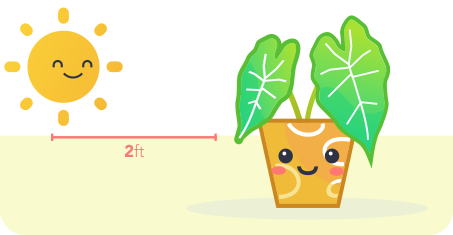
Aeonium 'Pinwheel' thrives best in partial shade, which means it should receive between 3-6 hours of direct sunlight per day. The ideal time for this sun exposure is during the early morning hours. This timing helps the ...

Every 1095d
Recommended Frequency
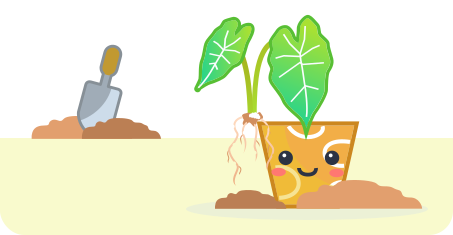
Repotting your Aeonium 'Pinwheel' is an essential part of its care routine. Ideally, you should repot this plant every 3 years, which is approximately 156 weeks or 36 months. This frequency allows the plant to have enoug...
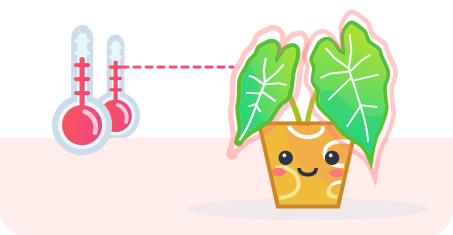
When caring for Aeonium 'Pinwheel,' it is crucial to maintain an ideal temperature range to ensure the plant thrives. The recommended temperature range for this succulent is between 60 and 75 degrees Fahrenheit. This ran...

Recommended Soil
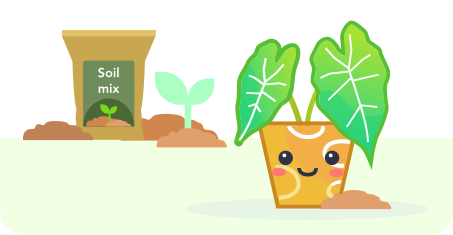
When caring for Aeonium 'Pinwheel,' selecting the right soil is crucial for its health and growth. The ideal soil for this succulent is sandy soil, which provides excellent drainage and prevents root rot. Sandy s...
When caring for Aeonium 'Pinwheel,' it's important to consider the humidity levels in your environment. This succulent thrives in a humidity range between 40% and 80%, which is considered average to high humidity. \...

 See full care guide

Questions about Aeonium Pinwheel
An Aeonium Pinwheel, also known as Aeonium haworthii, is a captivating succulent known for its rosette-shaped foliage that resembles a pinwheel. This drought-tolerant plant features green leaves with pinkish-red edges, t...

Toxicity of Aeonium Pinwheel

Common Pests and Diseases
Root Rot
Overwatering
To address root rot in Aeonium 'Pinwheel', it's crucial to first allow the soil to dry out completely before considering any further watering. If the plant is in a pot, ensure it has adequate drainage holes. In severe cases, removing the plant from its current soil, trimming away any black, mushy roots, and repotting in fresh, well-draining soil can help. Adjust your watering schedule to avoid future overwatering, ensuring the topsoil is dry between waterings.
Use Plant Doctor in the app to diagnose a disease:


Leaf Shriveling and Dropping
Underwatering
Aeonium pinwheel requires consistent moisture, especially during its active growing season in the cooler months. To address underwatering, gradually increase watering frequency, ensuring the soil is moist but not waterlogged. Implement a regular watering schedule, checking the soil's moisture level before watering. If the soil dries out too quickly, consider repotting the plant into a slightly larger container with fresh, well-draining soil to retain moisture more effectively.
Aphid Infestation
Aphids are small, sap-sucking insects that can infest Aeonium 'Pinwheel', leading to weakened plants, distorted growth, and potential disease transmission.
To manage aphid infestations, start by rinsing the plants with a strong jet of water to dislodge the pests. For persistent issues, apply insecticidal soap or neem oil, focusing on the undersides of leaves where aphids commonly reside. Ensure thorough coverage for effectiveness. In severe cases, consider using systemic insecticides, but always follow the product's instructions and consider the environmental impact. Regular monitoring and early intervention are key to preventing significant damage.
Powdery Mildew
Fungal infection
Powdery mildew is a common fungal issue that affects Aeonium 'Pinwheel', manifesting as white, powdery spots on leaves. To manage this, ensure good air circulation around your plants and avoid overhead watering to keep the foliage dry. Infected leaves should be removed and disposed of promptly. For severe infections, apply a fungicide suitable for succulents, following the manufacturer's instructions carefully. Preventive measures include using a neem oil spray as a natural fungicide and maintaining a well-spaced garden to reduce humidity levels around your plants.

Related Plants


