
Care Guides for Garden Croton

Every 7d
Recommended Frequency

1 /2 cup of water
Recommended Amount
Garden croton (Codiaeum variegatum) requires consistent moisture to thrive, yet it's crucial not to overwater. Typically, watering every 3-5 days is adequate, adjusting based on the season and your home's humidity levels...


Every 14d
Recommended Frequency
For garden croton, proper fertilization is key to maintaining its vibrant foliage. During the growing seasons of spring and summer, it is recommended to fertilize your plant every two weeks. A balanced 20-20-20 f...


Direct Sun
Recommended
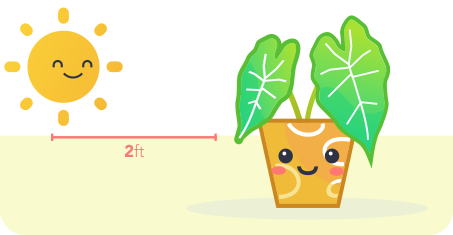
Garden croton (Codiaeum variegatum) thrives in bright, indirect light but can also tolerate some direct sunlight. Ideally, place your croton near a window where it can receive filtered sunlight for several hours a day. T...

Every 1095d
Recommended Frequency
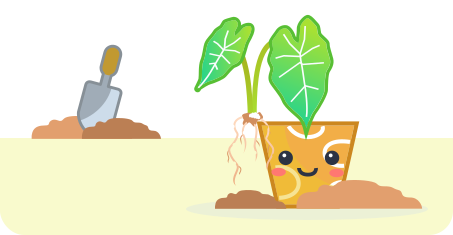
As a professional botanist, I'd like to share some essential tips on repotting your garden croton, a vibrant and tropical plant that can bring a splash of color to any indoor space. Repotting is a crucial aspect of plant...
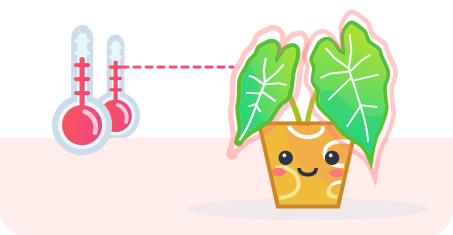
When caring for a garden croton (Codiaeum variegatum), it is essential to maintain an ideal temperature range to ensure the plant thrives. The recommended temperature range for garden croton is between 75 and 85 degrees ...

Recommended Soil
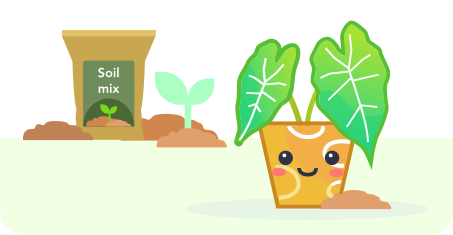
For garden croton, the recommended soil type is loamy soil. This soil is well-draining and fertile, making it ideal for supporting the vibrant growth and health of garden croton plants. Loamy soil is a balanced mix of sa...
Garden croton (Codiaeum variegatum) thrives in environments with high humidity, ideally around 80%. This level of moisture in the air is crucial for maintaining the plant's vibrant foliage and overall health. In ...

 See full care guide

Questions about Garden Croton
A garden croton, scientifically known as Codiaeum variegatum, is a vibrant tropical plant renowned for its striking, colorful foliage. The leaves come in a variety of shapes and can display a mix of red, yellow, green, a...

Toxicity of Garden Croton

Common Pests and Diseases
Root Rot
Overwatering
To address root rot in garden croton, first, allow the soil to dry out before watering again. Ensure the pot has adequate drainage holes and consider repotting the plant in fresh, well-draining soil. If the plant is severely affected, you may need to trim away the rotted roots before repotting. Regularly check the soil moisture and adjust your watering schedule to prevent recurrence. Implementing a routine to check soil dryness before watering can significantly help.

Use Plant Doctor in the app to diagnose a disease:


Leaf Drop
Underwatering
Garden croton requires consistently moist soil to thrive. If you notice leaf drop, it's crucial to adjust your watering schedule. Begin by thoroughly watering the plant until excess water drains out of the pot's bottom. Then, establish a regular watering routine, checking the soil's moisture level at least once a week. The soil should feel slightly moist but not waterlogged. During hotter months, crotons may need more frequent watering. Adjust your schedule according to seasonal changes and indoor heating or cooling, which can affect indoor humidity levels.
Spider Mite Infestation
Spider mites are tiny pests that feed on the sap of garden croton, causing yellow or bronzed leaves and fine webbing on the plant.
To combat spider mite infestations, start by isolating the affected plant to prevent the spread to others. Increase humidity around the plant, as spider mites thrive in dry conditions. Rinse the plant gently with water to remove mites, or use a soft cloth dipped in soapy water to wipe the leaves. For severe infestations, applying neem oil or an appropriate miticide according to the product's instructions can be effective. Regularly check the plant and repeat treatments as necessary until the infestation is under control.
Leaf Spot Disease
Fungal or bacterial pathogens
To manage leaf spot disease, it's crucial to maintain a clean environment around your croton. Remove and dispose of any infected leaves to prevent the spread of the disease. Improve air circulation around the plant by spacing plants properly and pruning densely packed foliage. Avoid overhead watering to keep the leaves dry and reduce the risk of infection. For severe infections, applying a fungicide or bactericide according to the product's instructions can be effective.

Related Plants


