
Care Guides for Heart of Jesus

Every 9d
Recommended Frequency

1 /2 cup of water
Recommended Amount
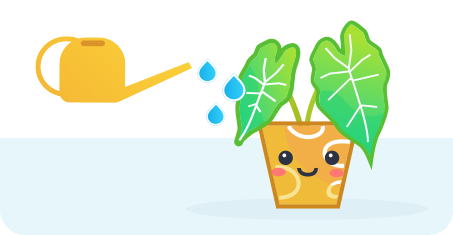
Caring for a Heart of Jesus plant requires understanding its watering needs. Typically, watering every 3 days is sufficient. However, this can vary based on environmental conditions. Each watering session should involve ...

Every 14d
Recommended Frequency
Caring for your Heart of Jesus plant involves a regular fertilization schedule to promote healthy growth and vibrant foliage. It is recommended to fertilize this plant every two weeks. For optimal results, use a ...


Partial Shade
Recommended
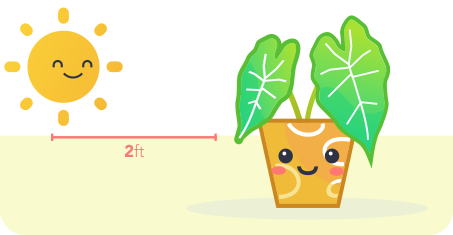
The Heart of Jesus plant thrives in bright indirect light. This means it should be placed about 5 feet away from a southern or western-facing window, or in front of a window with a sheer curtain to filter the sunlight. T...

Every 1095d
Recommended Frequency
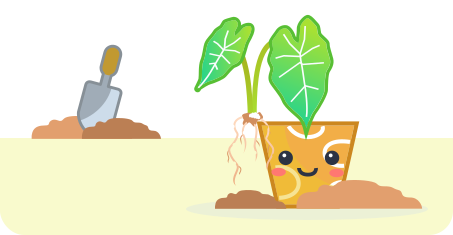
Caring for your Heart of Jesus plant involves understanding when and how to repot it properly. This vibrant plant, known for its striking foliage, requires particular attention to its growing conditions to thrive. Repott...
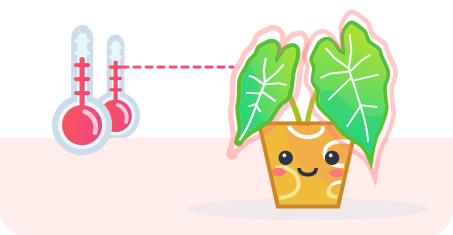
Caring for your Heart of Jesus plant involves understanding its temperature preferences. Ideally, this plant thrives in a temperature range between 75 to 85 degrees Fahrenheit. This range suggests that the Heart of Jesus...

Recommended Soil
When caring for Heart of Jesus (Caladium bicolor), selecting the right soil is crucial for its health and growth. The ideal soil for this plant is peat soil. Peat soil is known for its excellent moisture retention proper...
Caring for your Heart of Jesus plant involves understanding its specific humidity needs. This tropical plant thrives in environments where the humidity ranges from 50% to 80%, averaging around 65%. This level of moisture...

 See full care guide

Questions about Heart of Jesus
The Heart of Jesus plant, scientifically known as Caladium bicolor, is a tropical perennial known for its striking, heart-shaped leaves that come in a variety of colors and patterns. These plants thrive in warm, humid en...

Toxicity of Heart of Jesus

Common Pests and Diseases

Use Plant Doctor in the app to diagnose a disease:


Leaf Curling and Dropping
Underwatering
To address leaf curling and dropping due to underwatering, it's crucial to establish a consistent watering schedule that keeps the soil evenly moist but not waterlogged. Check the soil moisture by inserting your finger about an inch deep; if it feels dry, it's time to water. Use lukewarm water to avoid shocking the plant's roots. During hotter months, increase watering frequency, and ensure the pot has adequate drainage to prevent root rot.

Related Plants


