
Care Guides for Hoya Krimson Queen

Every 14d
Recommended Frequency

1 /2 cup of water
Recommended Amount
Caring for a Hoya Krimson Queen requires understanding its watering needs. Typically, it's best to water this plant every 7-10 days, allowing the soil to dry out slightly between waterings. The amount of water needed per...


Every 30d
Recommended Frequency
Caring for your Hoya Krimson Queen involves a specific fertilization routine to promote healthy growth and flowering. It's important to fertilize this plant once a month during its active growth periods, which are spring...


Indirect Sun
Recommended
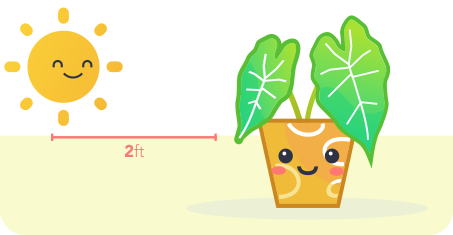
The Hoya Krimson Queen thrives in bright indirect light. This means it should be placed about 5 feet away from a southern or western-facing window, or in front of a window with a sheer curtain to filter the sunlight. Thi...

Every 1460d
Recommended Frequency
As a professional botanist, I'd like to share some essential tips on repotting your Hoya Krimson Queen, a beautiful and popular houseplant known for its striking variegated leaves. Proper repotting is crucial for maintai...
Caring for your Hoya Krimson Queen involves understanding its temperature preferences. Ideally, this plant thrives in a range between 60 to 85 degrees Fahrenheit. This spectrum supports healthy growth, allowing the plant...

Recommended Soil
For the Hoya Krimson Queen, the ideal soil type is a well-draining and fertile mix, making loamy soil the best choice. This soil type combines equal parts of sand, silt, and clay, offering a balance that supports the pla...
Caring for your Hoya Krimson Queen involves understanding its specific needs, especially regarding humidity. This plant thrives in an environment where the humidity ranges from 40% to 80%, averaging around 60%. This leve...

 See full care guide

Questions about Hoya Krimson Queen

Toxicity of Hoya Krimson Queen

Common Pests and Diseases
Root Rot
Overwatering
To address root rot in Hoya Krimson Queen, first, cease watering immediately and allow the soil to dry out. If the plant is severely affected, remove it from its pot, trim away any black, mushy roots, and repot in fresh, well-draining soil. Ensure the pot has adequate drainage holes. Going forward, water only when the top inch of soil feels dry to the touch, and avoid letting the pot sit in standing water.
Use Plant Doctor in the app to diagnose a disease:


Mealybugs Infestation
Mealybugs are small, soft-bodied insects covered with a white, waxy substance. They typically infest the undersides of the leaves and stem joints, sucking sap and weakening the plant.
To combat mealybugs, start by isolating the infected plant to prevent the spread to others. Use a cotton swab dipped in rubbing alcohol to dab directly onto the pests, effectively killing them. For larger infestations, rinse the plant with a strong stream of water to dislodge the pests, then apply neem oil or insecticidal soap as a foliar spray, following the product's instructions. Repeat the treatment every 7-10 days until the infestation is cleared. Regularly check the plant for any signs of return.

Related Plants


