
Care Guides for Kentia Palm Plant

Every 7d
Recommended Frequency

1 /2 cup of water
Recommended Amount
Kentia palm plants thrive with consistent moisture but dislike being waterlogged. Watering frequency should be adjusted based on the season. During growth periods in spring and summer, water every 7-10 days, allowing the...


Every 30d
Recommended Frequency
For optimal growth and health, your Kentia Palm Plant requires regular fertilization, particularly during its active growth periods. It is recommended to fertilize this plant once a month during the spring and summer sea...


Indirect Sun
Recommended
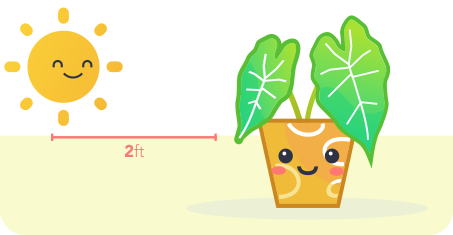
The Kentia Palm thrives in bright indirect light, making it an ideal indoor plant year-round. It should be placed about 5 feet away from a southern or western-facing window, or in front of a window with a sheer curtain t...

Every 730d
Recommended Frequency
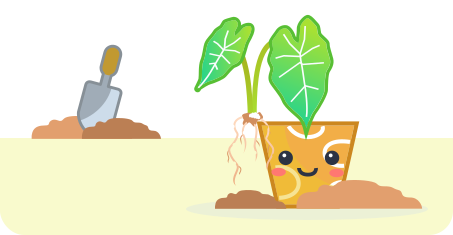
As a professional botanist, I'd like to guide you through the process of repotting your Kentia Palm Plant, a crucial aspect of its care to ensure its health and growth. The Kentia Palm, known for its elegant fronds and t...
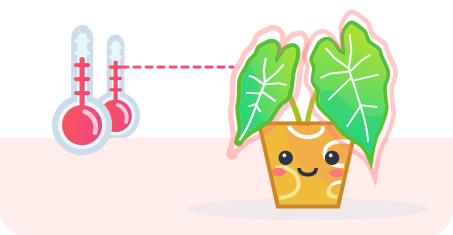
Caring for a Kentia palm plant requires understanding its temperature preferences. Ideally, this plant thrives in environments where the temperature ranges between 65 to 75 degrees Fahrenheit. This range ensures the plan...

Recommended Soil
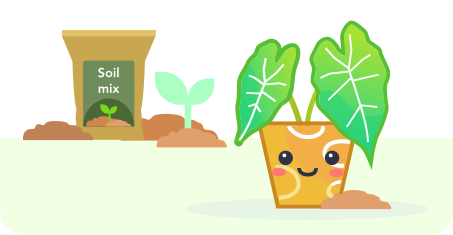
For the Kentia palm plant, the recommended soil type is loamy soil. This soil is well-draining and fertile, making it ideal for the Kentia palm, which prefers a moist but not waterlogged environment. Loamy soil is a bala...
Kentia palm plants thrive in environments where the humidity levels are maintained between 40% and 80%, averaging around 60%. This range is crucial for their optimal growth and health, as it closely mimics their natural ...

 See full care guide

Questions about Kentia Palm Plant

Common Pests and Diseases
Root Rot
Overwatering
To address root rot in Kentia palms, first, allow the soil to dry out before watering again. If the plant is severely affected, remove it from its pot, trim away any black, mushy roots, and repot in fresh, well-draining soil. Ensure the pot has adequate drainage holes to prevent water accumulation. Regularly check the soil moisture before watering to avoid overwatering in the future.
Use Plant Doctor in the app to diagnose a disease:



Related Plants


