
Care Guides for Moonlight Plant

Every 8d
Recommended Frequency

1 /2 cup of water
Recommended Amount
Caring for a moonlight plant requires understanding its watering needs. Typically, watering every 3 days is sufficient. Each watering session should involve about ½ cup of water, ensuring the soil is moist but not waterl...


Every 30d
Recommended Frequency
Caring for your Moonlight Plant involves a regular fertilization schedule to maintain its vibrant foliage. It's essential to fertilize this plant once a month during its active growth periods, which are spring and summer...


Indirect Sun
Recommended
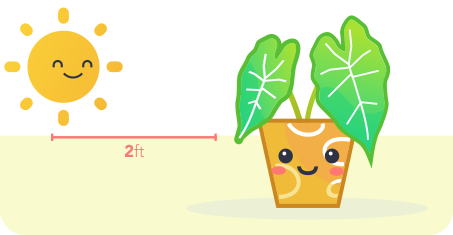
The moonlight plant thrives in bright indirect light, making it an ideal indoor plant year-round. It should be placed about 5 feet away from a southern or western-facing window, or in front of a window with a sheer curta...

Every 730d
Recommended Frequency
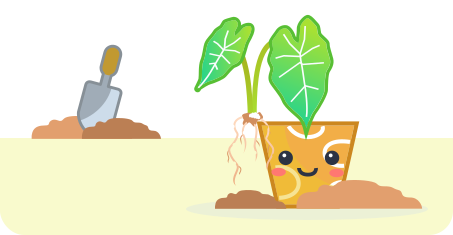
As a professional botanist, I'd like to guide you through the process of repotting your Moonlight Plant, a task that is crucial for maintaining its health and vigor. Repotting is not just about moving your plant to a new...
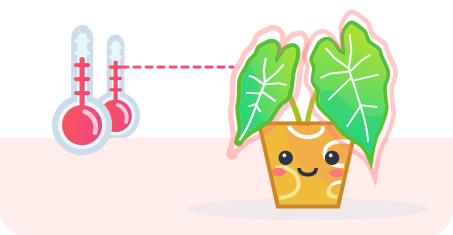
Caring for a moonlight plant requires attention to its temperature needs to thrive. The ideal temperature range for this plant is between 75 to 85 degrees Fahrenheit. This range supports its growth and health, providing ...

Recommended Soil
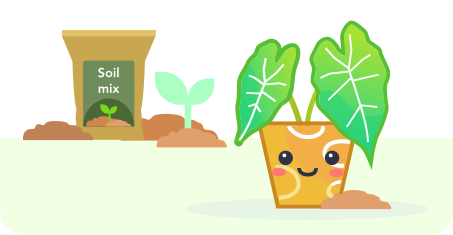
For the moonlight plant, the recommended soil type is Loamy Soil. This soil is well-draining and fertile, making it ideal for supporting the growth of moonlight plants. It consists of equal parts sand, silt, and clay, pr...
Caring for a moonlight plant requires understanding its humidity needs. This plant thrives in an environment where the humidity ranges from 40% to 80%, averaging around 60%. This level of moisture in the air mimics the p...

 See full care guide

Questions about Moonlight Plant
#NAME?

Toxicity of Moonlight Plant

Common Pests and Diseases
Root Rot
Overwatering
To address root rot, start by reducing your watering frequency, allowing the soil to dry out partially between waterings. If the plant is already affected, remove it from its pot, trim away any black, mushy roots, and repot it in fresh, well-draining soil. Consider using a pot with better drainage and possibly adding perlite or sand to the soil mix to improve aeration. Monitoring the plant's recovery and adjusting your watering habits are crucial to prevent recurrence.

Use Plant Doctor in the app to diagnose a disease:



Related Plants


