
Care Guides for Panda Plant

Every 5d
Recommended Frequency

1 /2 cup of water
Recommended Amount
Panda plants (Kalanchoe tomentosa) thrive with minimal water, reflecting their succulent nature. Overwatering can lead to root rot, so it's crucial to water them correctly. Typically, watering every 2-3 weeks is ...

Every 30d
Recommended Frequency
Caring for a Panda Plant requires understanding its fertilization needs to ensure healthy growth. This succulent benefits from a specific feeding schedule to thrive. Fertilize your Panda Plant once a month during ...


Direct Sun
Recommended
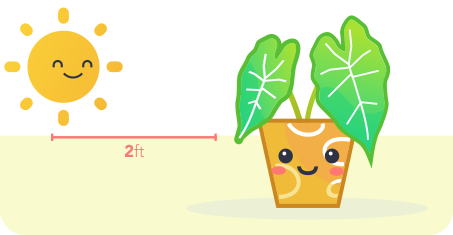
The panda plant (Kalanchoe tomentosa) thrives in bright indirect light. This means it should be placed about 5 feet away from a southern or western-facing window, or in front of a window with a sheer curtain to filter th...

Every 730d
Recommended Frequency
As a professional botanist, I'd like to share some essential tips on repotting your Panda Plant (Kalanchoe tomentosa), a delightful succulent that requires specific care to thrive. Repotting is a crucial aspect of its ca...
Caring for a panda plant requires understanding its temperature preferences to ensure its health and growth. Ideally, panda plants thrive in temperatures between 60 to 85 degrees Fahrenheit. This range supports their nat...

Recommended Soil
For the panda plant, a succulent known for its plush, silvery foliage, the ideal soil type is crucial for its health and growth. The recommended soil for a panda plant is sandy soil. This type of soil is beneficial for t...
Caring for a panda plant requires understanding its specific needs, especially regarding humidity. Panda plants thrive in environments where the humidity is relatively low to average, ideally around 30-40%. This range su...
 See full care guide

Questions about Panda Plant
A Panda Plant, scientifically known as Kalanchoe tomentosa, is a succulent native to Madagascar. It's cherished for its unique, fuzzy leaves that resemble a panda's fur, hence its name. This low-maintenance plant thrives...

Common Pests and Diseases
Root Rot
Overwatering
To address root rot in panda plants, first, cease watering immediately and allow the soil to dry out completely. If the plant is severely affected, remove it from its pot, trim away any black, mushy roots, and repot in fresh, well-draining soil. Ensure the new pot has adequate drainage holes. Going forward, water only when the top inch of soil feels dry to the touch, and avoid letting the plant sit in waterlogged conditions.

Use Plant Doctor in the app to diagnose a disease:


Leaf Shriveling and Dropping
Underwatering
Panda plants require a balance in watering, being succulents they store water in their leaves. Underwatering leads to dehydration, causing the leaves to shrivel and eventually drop. To remedy this, establish a regular watering schedule, allowing the soil to dry out completely between waterings. Use a well-draining soil mix to prevent waterlogging. During the growing season (spring and summer), water more frequently, reducing in fall and winter. Monitor the plant's response and adjust accordingly to ensure optimal health.

Related Plants


