
Care Guides for Pincushion Cactus

Every 7d
Recommended Frequency

1 /2 cup of water
Recommended Amount
When it comes to watering your pincushion cactus, less is often more. During the growing season, which typically spans from spring to early fall, water your cactus every 2-3 weeks. In the winter months, reduce watering t...


Every 30d
Recommended Frequency
Fertilizing your pincushion cactus is essential for its health and growth. The ideal frequency for fertilizing this plant is every 30 days, which translates to approximately once a month. It is best to fertilize ...


Direct Sun
Recommended
The pincushion cactus thrives in bright, direct sunlight. Ideally, it should be placed in a location where it can receive at least 4 to 6 hours of direct sun each day. A south-facing window is often the best spot for thi...


Every 1095d
Recommended Frequency
Repotting your pincushion cactus is an essential part of its care routine. Ideally, you should repot this plant every 1095 days, which translates to approximately every 3 years. This frequency allows the cactus to have e...
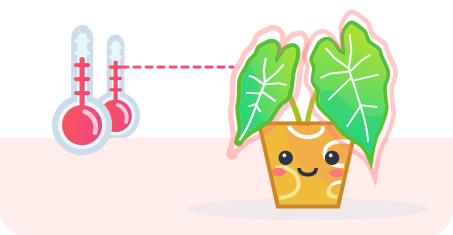
When caring for a pincushion cactus, it is essential to maintain an appropriate temperature range to ensure its health and growth. The ideal temperature range for this plant is between 60 and 85 degrees Fahrenheit. This ...

Recommended Soil
When caring for a pincushion cactus, selecting the right soil is crucial for its health and growth. The ideal soil for this plant is sandy soil, which provides excellent drainage and mimics the cactus's natural desert ha...

When caring for a pincushion cactus, it's important to consider the humidity levels in your environment. This plant thrives in low humidity conditions, with an ideal range between 20% and 35%. For optimal growth,...

 See full care guide

Questions about Pincushion Cactus
A pincushion cactus plant, belonging to the genus Mammillaria, is a small, round, and often spiny succulent. It's known for its distinctive, cushion-like shape and vibrant flowers that bloom in a ring around the top. Ide...

Toxicity of Pincushion Cactus

Common Pests and Diseases
Root Rot
Overwatering
To address root rot in pincushion cactus, first, cease watering immediately and allow the soil to dry out completely. If the plant is severely affected, unpot it and remove any mushy, black roots with a sterile knife, leaving only healthy tissue. Treat the remaining healthy roots with a fungicide recommended for cacti. Repot the plant in fresh, well-draining cactus mix and ensure the pot has adequate drainage holes. Resume watering sparingly, only when the top inch of soil feels dry.

Use Plant Doctor in the app to diagnose a disease:


Root Rot
Overwatering
To address root rot in pincushion cactus, first, allow the soil to dry out completely before watering again. If the plant is severely affected, remove it from its pot, trim away any black, mushy roots, and repot in fresh, well-draining cactus mix. Ensure the pot has adequate drainage holes. In the future, water only when the top inch of soil feels dry to the touch, and reduce watering frequency during the cooler, dormant months.
Mealybug Infestation
Mealybugs are small, white, soft-bodied insects that feed on the sap of the pincushion cactus, often hiding in crevices or under soil debris.
To combat mealybugs, first isolate the affected plant to prevent spread. Use a cotton swab dipped in alcohol to dab directly onto the pests, effectively killing them without harming the plant. For larger infestations, applying a neem oil solution or insecticidal soap can be effective. Ensure to treat the plant and surrounding area thoroughly, as mealybugs can hide in the smallest of spaces. Regular monitoring and repeat treatments may be necessary to completely eradicate the pests.
Fungal Rot
Fungal infections often occur due to poor air circulation or overly humid conditions, rather than direct watering issues. These conditions allow fungi to thrive and infect the cactus, leading to rot.
To address fungal rot, it's crucial to first remove any affected parts of the cactus with a sterile knife to prevent the spread of the infection. Ensure the plant is in a well-ventilated area with low humidity. If necessary, apply a fungicide specifically designed for cacti following the manufacturer's instructions. Improving air circulation can be as simple as relocating the plant or using a small fan in the area.

Related Plants


