
Care Guides for Pygmy Date Palm

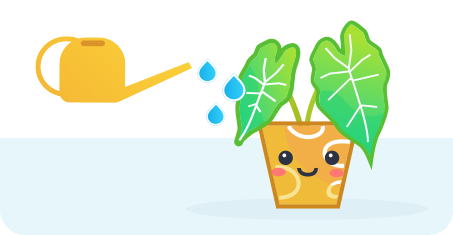
Every 4d
Recommended Frequency

1 /2 cup of water
Recommended Amount
Caring for a pygmy date palm requires understanding its watering needs. Typically, watering every 7 to 10 days is sufficient, depending on the climate and indoor conditions. Each watering session should involve enough wa...

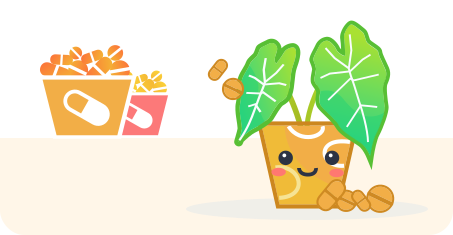
Every 120d
Recommended Frequency
Caring for your Pygmy Date Palm involves a specific fertilization routine to maintain its health and beauty. It is recommended to fertilize your palm every four months. This frequency ensures that the palm receives the n...

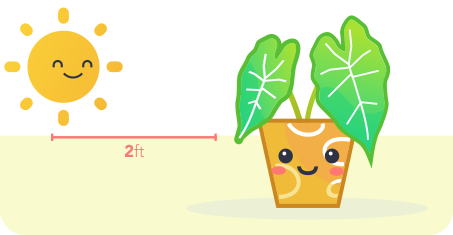
Indirect Sun
Recommended
The Pygmy Date Palm thrives in bright indirect light, making it an ideal indoor plant year-round. It benefits from being placed about 5 feet away from a southern or western-facing window. This position allows it to recei...

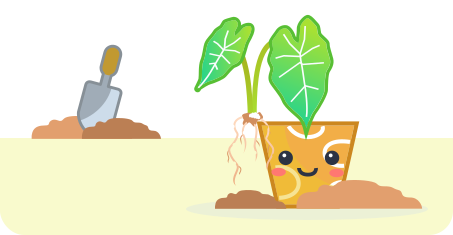
Every 730d
Recommended Frequency
As a professional botanist, I'd like to share some essential tips on repotting your Pygmy Date Palm, a delightful addition to any indoor or outdoor space. Repotting is a crucial aspect of plant care that ensures your pal...
Caring for a pygmy date palm requires attention to its temperature preferences to ensure its health and growth. Ideally, this plant thrives in a temperature range between 75 to 85 degrees Fahrenheit. This range is consid...

Recommended Soil
For the pygmy date palm, loamy soil is the recommended choice. This soil type offers a balanced mix of sand, silt, and clay, making it well-draining yet fertile. It's slightly acidic, which suits the palm well, and is hi...
Caring for a pygmy date palm requires understanding its humidity needs, as it significantly impacts the plant's health and growth. The recommended humidity level for a pygmy date palm is around 40-80%, which falls into t...
 See full care guide

Questions about Pygmy Date Palm
The Pygmy Date Palm, scientifically known as Phoenix roebelenii, is a small to medium-sized palm tree native to Southeast Asia. It's highly sought after for its elegant appearance, featuring a slender trunk and lush, fea...

Toxicity of Pygmy Date Palm

Common Pests and Diseases
Root Rot
Overwatering
To address root rot in pygmy date palms, it's crucial to first allow the soil to dry out before watering again. Ensure proper drainage by amending the soil with sand or perlite if necessary. In severe cases, removing the affected roots and repotting the plant in fresh, well-draining soil may be required. Regularly check the plant's watering needs rather than sticking to a fixed schedule to prevent recurrence.
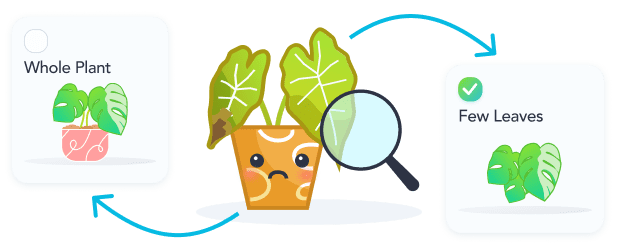
Use Plant Doctor in the app to diagnose a disease:


Leaf tip burn
Underwatering
To address leaf tip burn caused by underwatering, ensure the pygmy date palm is watered deeply and thoroughly, allowing the soil to become slightly dry between waterings. It's crucial to establish a consistent watering schedule, adjusting for seasonal changes in temperature and humidity. For potted palms, ensure adequate drainage to prevent root rot. Mulching around the base can help retain soil moisture and reduce water loss.

Related Plants


