

How to Propagate Fiddle Leaf Fig: A Step-by-Step Guide


For plant enthusiasts, the fiddle leaf fig (Ficus lyrata) has become a beloved addition to many homes. Its bold, lush leaves make it a striking presence in any space. If you've been marveling at your fiddle leaf fig and are curious about propagation, you're in the right place! This guide will take you through the steps of how to propagate a fiddle leaf fig, ensuring that even beginners can feel confident in expanding their green family.
Understanding Fiddle Leaf Fig Propagation
Propagation is the process of creating new plants from an existing plant. For fiddle leaf figs, this typically involves cutting a portion of the plant and nurturing it until it grows roots and becomes a new, independent plant. This method is a fantastic way to multiply your beloved fiddle leaf fig without buying new plants.
Why Propagate Your Fiddle Leaf Fig?
Propagating your fiddle leaf fig isn't just about creating more plants; it's a journey into plant parenthood. It's rewarding to watch a small cutting transform into a flourishing plant. Plus, propagated fiddle leaf figs make thoughtful gifts for fellow plant lovers.
Materials Needed for Propagation
Before starting, gather the following materials:
Sharp, clean pruning shears
Propagation container: pot or glass jar
Propagation medium: water for fiddle fig leaf or soil
Optional: rooting hormone, grow lights, heat mats

Step-by-Step Guide to Propagate Your Fiddle Leaf Fig
Step 1: Selecting the Right Cutting
Look for a healthy, mature leaf with at least one node (the small bump where leaves and buds grow). A good cutting is about 12″ to 18″ long with 1-3 leaves and 1-2 nodes.
Step 2: Preparing the Cutting
Make a clean cut just below a node using sharp pruning shears. Remove the bottom leaves to reduce stress on the cutting and retain water.
Step 3: Making the Cut
Using your clean pruning shears, make a clean cut just below a node.
Step 4: Rooting the Cutting
In Water
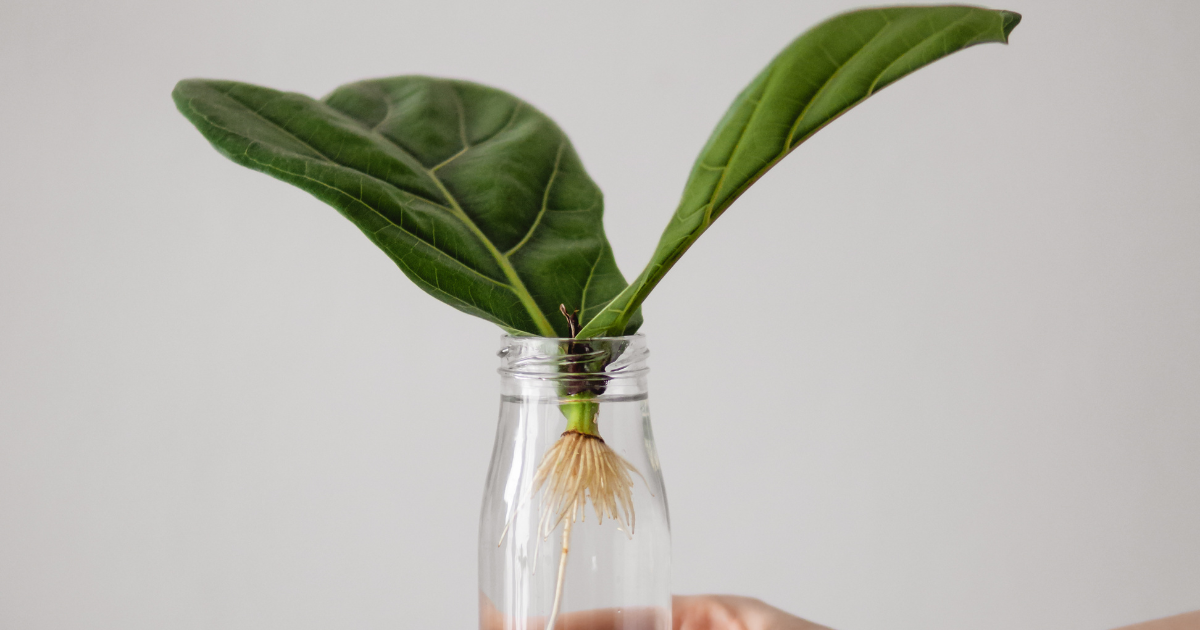
Place the cutting in a clean glass jar filled with water, ensuring the node is submerged. Keep the jar in a warm, bright place away from direct sunlight. Change the water when it becomes cloudy.
In Soil
Prepare a pot with well-draining, moist soil. Make a small hole and gently place the cutting in, ensuring at least one node is buried.
Step 5: Applying Rooting Hormone (Optional)
Dip the cut end in rooting hormone before planting to stimulate root growth.
Step 6: Caring for Your Cutting
Soil Method
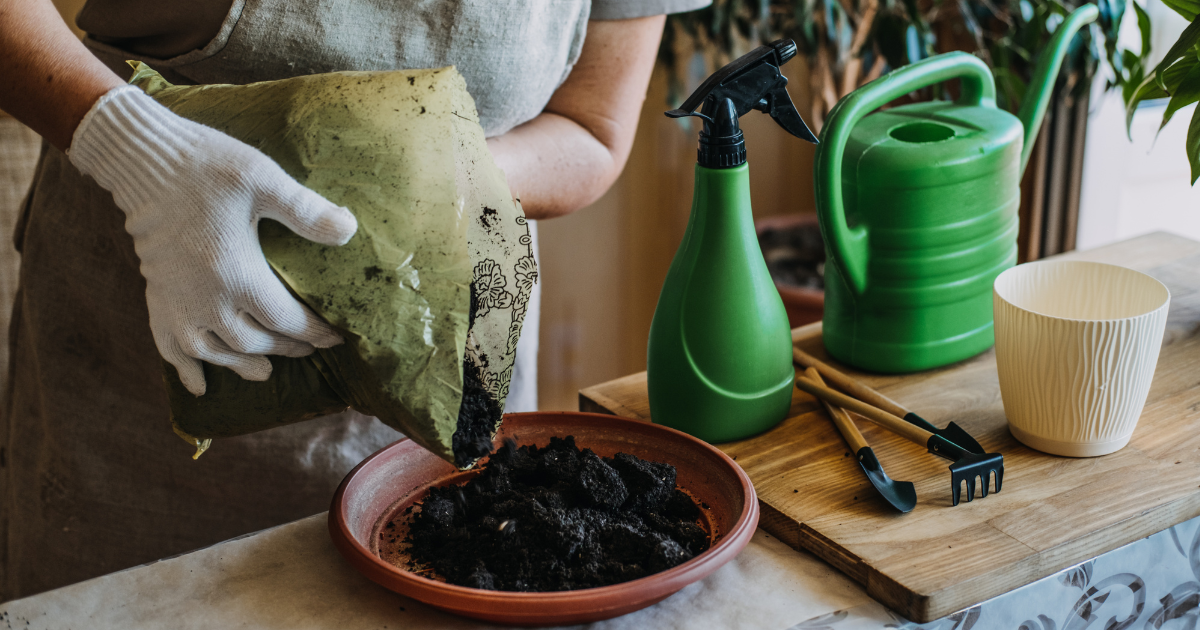
Keep the soil moist but not soggy. Cover the cutting with a clear plastic bag to create a humid environment.
Water Method
Change the water when it becomes cloudy and watch for algae growth.
Step 7: Transplanting
Once the roots are about 1 to 2 inches long, you can transplant the cutting your fiddle fig leaf into a pot with fresh, well-draining soil.
Troubleshooting & Tips
Propagation can take a few weeks to a couple of months, depending on the method and environment.
Increase the success rate by providing bright light, warm temperatures, and adequate oxygen.
After propagation, keep the soil damp but not soggy for the first 2-3 weeks to help the root system establish.
Propagating a fiddle leaf fig is a gratifying experience, allowing you to expand your indoor garden and share the joy of plant parenting with others. By following these steps, you'll be well on your way to successfully propagating your fiddle leaf fig. Remember, each plant is unique, so embrace the journey and enjoy the growth of your new green companion!
Fern's Leafy Learnings
Propagation is an exciting way to create new fiddle leaf fig plants from an existing one.
The key to successful propagation is selecting a healthy cutting and ensuring it has at least one node.
You can propagate fiddle leaf fig cuttings in water or soil, with each method having its own benefits.
Regular care and patience are essential during the rooting phase, with attention to light and moisture.
Transplanting the new fiddle leaf fig once roots develop is the final step in the propagation process.
Embark on a flourishing journey with plants that aren’t just decor, but companions.
Your plant journey doesn’t stop at purchase – it’s only just begun! With Flora, immerse yourself in a world where plants and parents connect, grow, and learn together. Our expansive range of fresh and rare plants, the state-of-the-art Flora Pod™, and an unwilting community of over a quarter-million plant enthusiasts, you’re never alone in your botanical journey.
Guiding you from seedling to flourishing canopy, Flora is your constant companion in every step toward a lush, green sanctuary at home.
Eager to foster your own indoor jungle? Discover Flora's plants and innovative care solutions now!
Flora Pod™ is featured on Shark Tank!


5 Signs Your Houseplant Needs Repotting Now
Mar 02, 2026
6 Anthurium Benefits You Didn't Know About
Mar 02, 2026

How to Prune Your Houseplants Before Spring Growth Season
Mar 02, 2026

10 Best Houseplants for Spring Repotting Success
Mar 02, 2026

Can ZZ Plants Survive in Low Light Conditions?
Mar 02, 2026

5 Critical Pre-Spring Pruning Tips for Houseplants
Mar 02, 2026

Can Succulents Survive Winter Outdoors in Your Climate Zone?
Mar 02, 2026

Which Houseplants Are Toxic to Cats and Should You Avoid Them?
Mar 02, 2026